Drug Addictions: The Causes, Symptoms and Side Effects
Living with drug addiction can feel like being trapped in a destructive cycle that nobody understands. You may be downplaying your addiction, hiding it from your loved ones, or even telling yourself that you’re doing fine. However, if you are reading this, you probably already know that something is not quite right. The great news is that it is possible to break out of that destructive cycle. At Providence Projects, we believe everyone deserves a chance to get better, with our drug rehab programmes already helping thousands of people overcome addiction.
What is drug addiction?
The scientific definition of drug addiction is a chronic disorder that causes you to compulsively seek and use drugs, even when you know it’s harmful. Hundreds of thousands of people begin drug addiction treatment every year in the UK, which shows just how widespread the situation is.
Drug addiction is a complex condition, with physical, emotional and mental dependencies all tangled up. These all need to be thoroughly explored and addressed during treatment for full and lasting recovery from drug addiction. If any go unresolved, they can trigger a drug relapse months or even years later.

How do drug addictions develop?
Most people don’t wake up one day and find themselves addicted to drugs. It is something that builds over time, often without you realising how serious it’s getting. Everyone’s experience is unique, but drug addiction usually develops in stages:
Initial drug use
This is the starting point where you try a drug either out of curiosity, peer pressure or in search of relief from stress or some personal hardship.
Drug abuse
This is when drug use becomes more than an occasional thing. You may start using drugs more often, taking higher doses or using them in risky situations. At this point, drugs start to interfere with your life, and the line between “wanting” and “needing” them can begin to blur.
Drug dependence
At this point, your brain and body have adapted so much to the presence of the drugs that you can’t feel “normal” without taking them. This is largely down to dopamine in drug addiction, causing your brain’s reward system to stop working properly. If you try to give up, your brain panics, thinking that something vital has been taken away. This is what causes drug withdrawal symptoms like nausea, anxiety and possibly dangerous physical reactions.
Drug addiction
At this stage, the drug has completely taken over. Even if you want to stop, it feels impossible as the cravings, withdrawal and emotional pressure all become overwhelming. This is when professional drug rehab at a clinic like the Providence Project becomes critical and potentially even life-saving.
What causes drug addiction?
Drug addiction isn’t just about what you take, it is also about who you are, where you’ve been and what is going on in your life. Some people are more vulnerable than others, often due to reasons beyond their control. These can include:
- Having a family history of addiction
- Growing up in an environment where drug use or drinking was normal
- Being surrounded by drugs regularly
- Using drugs to cope with anxiety, depression or trauma
- Taking prescribed medication without the right guidance or follow-up
- Not knowing how easily regular use can spiral into dependency
Reach out to our expert support team 24 hours a day

Start the Drug Rehabilitation Process Today
Finding the best drug treatment is vital for long-term recovery success. Our friendly and compassionate team will hold your hand through the process until you learn to love yourself again.
Potentially addictive drugs
Practically any substance that causes dramatic chemical effects can be potentially addictive. However, some of the most common (and dangerous) drug addictions include:
Amphetamine
Often sold as speed in the UK, amphetamines are powerful stimulants that can make people feel incredibly alert, confident and energised. However, long-term use can lead to paranoia, extreme exhaustion, drug-induced psychosis and amphetamine addiction.
Cannabis
Cannabis might seem harmless to some, but it’s possible to become addicted, especially with today’s high-strength strains, which dominate the UK market. According to the most recent figures, 2.3% of all adults over 16 in England showed signs of cannabis dependence.
Cocaine
Cocaine is one of the most addictive and dangerous drugs in the world, with 1,118 cocaine-related deaths in England and Wales in 2023 alone. It causes a sharp dopamine spike followed by a crashing low that leaves you craving more and opens the door for cocaine addiction.
Crack Cocaine
Crack cocaine delivers an intense, rapid high that lasts only a few minutes, leading many users to binge repeatedly in a short space of time. Crack is often smoked in makeshift pipes and can cause a fast, destructive addiction.
GHB
GHB is sometimes dubbed “liquid ecstasy,” but its effects are far riskier and less predictable. It is often used as a party or chemsex drug but can also cause confusion and blackouts which have seen it used as a terrifying date rape drug.
GBL
GBL is a powerful industrial solvent that turns into GHB in the body and is often sold online as “cleaner” or “ink remover.” Physical dependency on GBL can develop in just a few weeks, with brutal withdrawal symptoms including seizures and psychosis.
Hallucinogen
Hallucinogens like magic mushrooms, LSD and DMT aren’t traditionally thought of as addictive, but repeated use can lead to psychological reliance. The effects on mental health from hallucinogenic drug misuse can be particularly harmful, with some people experiencing flashbacks, psychosis and increased chances of schizophrenia.
Heroin
Heroin is an opioid made from morphine, usually injected or smoked, and it is responsible for the majority of drug-related deaths in the UK. Its euphoric high is followed by extreme cravings, with heroin addiction potentially taking hold after just a few uses.
Ketamine
Ketamine, often called “K” or “Special K,” is a dissociative anaesthetic that can make users feel detached from reality. The UK has seen a huge rise in ketamine misuse, particularly among under-25s, with ketamine addiction now a real public health concern.
LSD
LSD is known for its long, mind-bending “trips”. Though not physically addictive, repeated LSD use can cause psychological LSD dependence and a range of psychological issues.
MDMA
MDMA, also called “ecstasy”, is a stimulant which makes people feel loved-up, energetic and connected. It can be very dangerous, and while MDMA overdoses from misuse are rare, deaths can happen from overheating, dehydration or mixing it with other drugs or alcohol.
Meth
Known as “crystal meth” or “ice,” methamphetamine causes a rush of intense euphoria and energy but is one of the most neurotoxic drugs out there. Meth is more common in the US and Australia but it is creeping into the UK with meth abuse and addiction rates rising.
Monkey Dust
Monkey Dust (MDPV) is a synthetic cathinone linked to unpredictable and violent behaviour. It is cheap, incredibly addictive and causes hallucinations, paranoia and dangerous delusions.
Steroid
Anabolic steroid addiction often begins at the gym, with users looking for rapid muscle gain or improved athletic performance. But long-term steroid abuse can lead to rage, mood swings, irreversible hormonal damage and addiction.
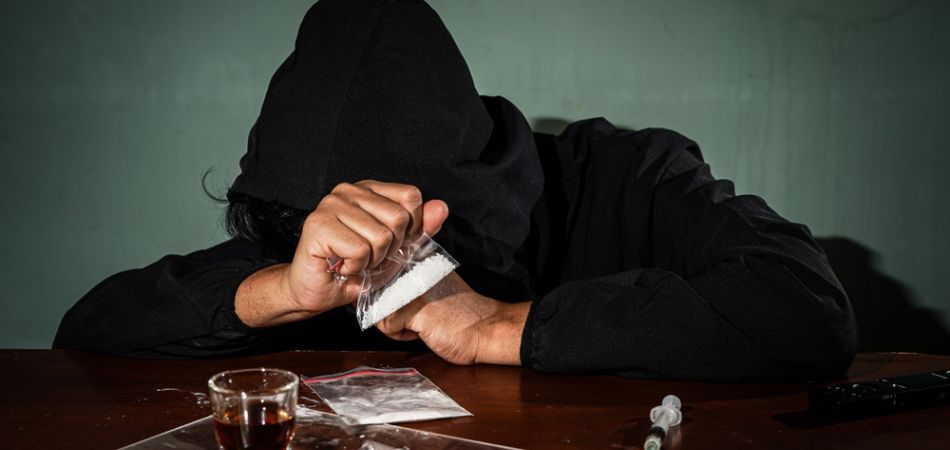
How to spot drug addiction signs?
It isn’t always as easy as you think to spot the symptoms of drug addiction, as it is a very devious condition. If you are worried about yourself or even someone you know, here are some telltale drug abuse signs to be aware of:
- Out-of-character mood swings linked to drug abuse or possible withdrawal
- Sneaky behaviour, lying to loved ones or covering up the reality of drug abuse
- Withdrawal symptoms kick in if drugs aren’t used
- No interest anymore in work, school or social life
- Needles, bongs, pipes or other drug paraphernalia
- Physical signs like track marks or a bloody nose
- Continuing to take drugs even though the harms are becoming obvious
Finding help if you have a drug addiction
If drug misuse has taken over your life, the thought of change can feel impossible. However, at Providence Projects, we have helped thousands of people in your shoes emerge stronger, healthier, and free through our comprehensive treatment pathway, that gives you the option to remain in treatment with us for as long as you feel you need;
- Primary Treatment – Our core primary treatment programme, delivered in one of our CQC-approved UKAT rehabilitation centres across the UK. Here, you’ll follow a carefully designed plan that may include medical detox (if necessary), proven therapeutic approaches, holistic practices, and round-the-clock professional support. This phase is dedicated to helping you stabilise, uncover the underlying causes of addiction, and build the essential skills needed to achieve lasting sobriety.
- Secondary Treatment – After completing primary care with us, you have the option to progress into a secondary care programme to further solidify your recovery, which you can stay in for as long as you feel is necessary. Secondary treatment offers continued therapeutic input within a less intensive setting. It provides the balance of professional guidance and peer support while you begin reintegrating into daily life, and is a helpful step for strengthening confidence, applying new coping tools, and reducing the risk of relapse during the early stages of addiction recovery.
- Sober Living with Providence Projects – For those who would benefit from extra support before moving on to full independence, sober living provides a safe and recovery-focused environment. This option allows you to gradually regain independence while still receiving regular check-ins, encouragement, and the benefit of living alongside others who share the same commitment to sobriety. It acts as a bridge between structured treatment and long-term recovery.
- The UKAT Alumni Programme – Upon completing treatment, you’ll become part of our lifelong Alumni community. This nationwide network offers ongoing connection through support groups, social gatherings, online forums, and recovery-focused activities. As an Alumni member, you’ll always have access to encouragement, accountability, and a community of people who truly understand your journey – helping you maintain the positive habits and values built during treatment.
Our expert team offers drug detox and rehab treatment in a supportive setting that feels more like home than a hospital. Contact us today for honest advice.
Reach out to our expert support team 24 hours a day
Start the Drug Rehabilitation Process Today
Finding the best drug treatment is vital for long-term recovery success. Our friendly and compassionate team will hold your hand through the process until you learn to love yourself again.
Frequently Asked Questions
What is DAST‑10, and how does it help assess drug addiction?
DAST‑10 (Drug Abuse Screening Test–10) is a ten-question self-report tool that asks about drug use over the past year. It doesn’t diagnose drug addiction, but it gives a snapshot of how serious your drug use might be. Doctors can use it to spot early symptoms of drug addiction and check whether things are getting better or worse over time.
What are the most dangerous side effects of drug addiction?
Drug abuse side effects can vary by substance, but they often include physical damage, mental illness, social breakdown or death from overdose. For example, opioids can shut down breathing, stimulants like cocaine can trigger heart attacks, and GHB and GBL can cause sudden blackouts or coma. Long‑term drug addiction also brings risks like liver damage, memory loss, depression, violence or legal trouble, even if you don’t overdose.
Which drugs have the highest risk of overdose?
An overdose happens when drugs overwhelm your body, often by slowing or stopping your breathing, heart or brain functions. Drug misuse UK statistics show that opiates like heroin and morphine were involved in nearly 47% of all drug-poisoning deaths in 2023 (2,551 cases), making them the most dangerous group. However, synthetic opioids like fentanyl are now causing huge alarm in Britain as they are up to 500 times stronger than heroin and are responsible for the majority of deaths in North America.
How long do different drugs stay in your system?
The length of time in which a drug remains in your body ranges, and depends on several factors including;
- The type of drug
- How much has been taken
- The frequency of use
- Your individual metabolism
Some substances may clear in a matter of hours, while others can be detected days, or even weeks after use. For a detailed breakdown for specific drugs, visit our guide on how long different drugs stay in your system.
(Click here to see works cited)
GOV.UK. “Adult substance misuse treatment statistics 2022 to 2023: report.” GOV.UK, 21 December 2023, https://www.gov.uk/government/statistics/substance-misuse-treatment-for-adults-statistics-2022-to-2023/adult-substance-misuse-treatment-statistics-2022-to-2023-report – Accessed 30 June 2025.
Office for National Statistics. “Drug misuse in England and Wales: year ending March 2024.” Office for National Statistics, 12 December 2024, https://www.ons.gov.uk/peoplepopulationandcommunity/crimeandjustice/articles/drugmisuseinenglandandwales/yearendingmarch2024 – Accessed 30 June 2025.
Stewart, Conor. “Cocaine related drug deaths England & Wales 2023.” Statista, 7 February 2025, https://www.statista.com/statistics/470811/drug-poisoning-deaths-cocaine-in-england-and-wales/ – Accessed 30 June 2025.