Diazepam Addiction: The Causes, Symptoms and Side Effects
You might recognise it by its former brand name and overseas name, Valium. While this name has changed over time in the UK, its effects and its risks remain the same. Diazepam works quickly and for some, the relief it brings is powerful. But that relief can come at a cost if it becomes something you rely on daily.
What is Diazepam?
Diazepam belongs to a group of drugs called benzodiazepines. It works by calming brain activity, reducing anxiety, helping with sleep and easing muscle spasms or seizures. In the UK, it’s only available by prescription and is typically given for short-term use due to its high potential for dependence.
How a Diazepam addiction can develop
Because Diazepam is prescribed, it doesn’t always feel risky. But over time, the lines can blur. What starts as something helpful can slowly turn into something you depend on, and that shift often happens quietly.
Here’s how it can creep in:
- Sticking to the prescription… at first: Even when taken exactly as directed, your body can get used to it. Eventually, you don’t feel calm, you just feel normal because you’ve taken it.
- Increasing the dose without medical advice: Maybe the original dose stops working. You take a little more to take the edge off, and that slowly becomes the new normal.
- Using it to get through the day: It starts helping with sleep or anxiety, but soon you’re using it to handle everyday stress or avoid uncomfortable emotions.
- Borrowing, buying, or mixing it with other substances: For some, use starts outside a prescription or becomes riskier when alcohol or other drugs are involved.
However it begins, Diazepam can quietly take centre stage, and when it does, stepping away often requires more than just deciding to stop.
The bigger picture in England and Wales
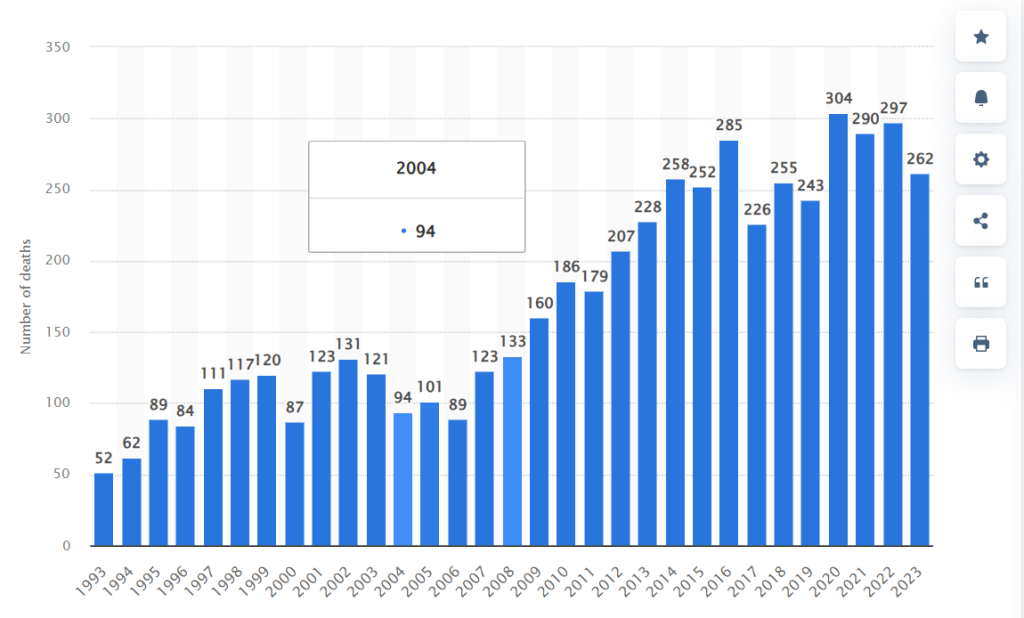
Diazepam misuse continues to take lives across England and Wales. In 2023, there were 262 deaths linked to diazepam, a slight drop from the previous year but still worryingly high. To compare, in 2009 there were 133 such deaths. That means the numbers have nearly doubled in the last 15 years, despite increased awareness of Diazepam’s risks.
Yes, the recent decline is a positive sign but when over 250 people still die in a single year from one drug, it’s clear there’s a much bigger issue. Many of these deaths involve people who started with a legitimate prescription and slipped quietly into dependence, often without realising.
Behind every number is a life cut short and a reminder that help matters now more than ever.
The impact of Diazepam addiction
Diazepam addiction can affect every part of a person’s life, from physical health to mental wellbeing and relationships. The longer it goes on, the harder it becomes to separate the person from the pill.
Below we take a glimpse at exactly how diazepam addiction can affect a person’s entire life.
Physical health
Long-term Diazepam use can cause ongoing fatigue and poor coordination. Some people experience blurred vision, muscle weakness or slurred speech. Over time, the body may struggle to function normally without the drug and attempts to stop can lead to severe withdrawal symptoms like tremors, nausea, panic attacks or seizures.
Sleep might feel better in the short term but the drug can actually disrupt healthy sleep cycles over time, leaving people feeling constantly drained.
Mental wellbeing
As Diazepam dependence grows, so too does secrecy. People may begin hiding their use, avoiding conversations or withdrawing from social contact. Others might lose interest in hobbies, miss work or struggle to meet responsibilities.
Relationships and routine
Long-term Diazepam use can cause ongoing fatigue and poor coordination. Some people experience blurred vision, muscle weakness or slurred speech. Over time, the body may struggle to function normally without the drug and attempts to stop can lead to severe withdrawal symptoms like tremors, nausea, panic attacks or seizures.
Sleep might feel better in the short term but the drug can actually disrupt healthy sleep cycles over time, leaving people feeling constantly drained.
Reach out to our expert support team 24 hours a day

Start the Diazepam Rehabilitation Process Today
Finding the best addiction treatment is vital for long-term recovery success. Our friendly and compassionate team will hold your hand through the process until you learn to love yourself again.
Signs of Diazepam addiction
Diazepam addiction doesn’t always come with obvious red flags. It often builds slowly and blends into daily life. But there are signs that suggest the drug has taken a stronger hold than intended.
Physical signs
- Needing higher doses to feel the same effect
- Shaking, sweating or restlessness between doses
- Slurred speech, dizziness or frequent drowsiness
- Poor coordination or slowed reflexes
- Headaches, nausea or disrupted sleep
Psychological signs
- Feeling anxious, irritable or low when not using Diazepam
- Strong cravings or preoccupation with having the drug nearby
- Trouble focusing or remembering things
- Emotional numbness or flatness
- Feeling unable to manage stress without it
Am I addicted to Diazepam?
Addiction rarely announces itself until it’s already taken hold. It tends to build slowly, often under the surface, which is why it’s so important to check in with yourself, especially if you’ve been using a prescription medication like Diazepam, whether exactly as prescribed or not.
Ask yourself:
- Do I feel nervous or unwell when I don’t take Diazepam?
- Have I increased my dose without medical advice?
- Do I feel like I need it just to function normally?
- Have I started avoiding people or responsibilities?
- Have I tried to stop and found it too difficult?
- Am I using Diazepam to deal with stress or emotions it wasn’t prescribed for?
This isn’t a diagnostic tool, but answering yes to one or more of these questions may be a sign that your relationship with Diazepam has become unhealthy. If that’s the case, reaching out for support could be the next step.
Is there help available for Diazepam addiction?
At Providence Projects, we’ve helped many people overcome Diazepam addiction with care and understanding. Our programme includes a safe, structured detox to gradually reduce use, followed by therapy to explore the roots of diazepam addiction.
Through our carefully designed approach to rehab treatment, have access to one-to-one counselling, group therapy, DBT, and holistic options like yoga, all tailored to support lasting recovery.
When your initial Diazepam addiction treatment ends, our comprehensive treatment pathway offers multiple ways for us continue to help you in your recovery.
Take the first step
If Diazepam is taking up more space in your life than it should, now might be the time to make a change. Whether you’re using it exactly as prescribed or not, Diazepam abuse doesn’t always look how you expect it to.
At Providence Projects, we’re here to help you take back control from your prescription drug dependence. With the right support, you can feel grounded and confident again, without a reliance on Diazepam. Contact us whenever you’re ready. We’re waiting for your call.
Reach out to our expert support team 24 hours a day
Start the Diazepam Rehabilitation Process Today
Finding the best addiction treatment is vital for long-term recovery success. Our friendly and compassionate team will hold your hand through the process until you learn to love yourself again.
Frequently Asked Questions
What is Diazepam typically used for?
Diazepam is prescribed to treat anxiety, muscle spasms, seizures and insomnia. It works by calming brain activity and is usually intended for short-term use.
Is Diazepam a controlled drug?
Yes, Diazepam is a Class C controlled drug in the UK. It carries a risk of dependence and is regulated due to its sedative and addictive properties.
How quickly can someone become addicted to Diazepam?
Addiction can develop within weeks, especially with frequent or high-dose use. The body builds tolerance quickly, leading to increased diazepam dependence and difficult withdrawal symptoms.
How common is Diazepam addiction and dependence in the UK?
Diazepam, being one of the most prescribed benzodiazepines in the UK, is also one of the most commonly reported benzodiazepines in terms of misuse and dependence. For more statistics on Diazepam and other benzodiazepine drugs in the UK, click here.
(Click here to see works cited)
- Stewart, Conor. “Diazepam Related Drug Deaths England & Wales 2023.” Statista, 7 Feb. 2025, www.statista.com/statistics/470852/drug-poisoning-deaths-diazepam-in-england-and-wales/