Heroin Addiction: The Causes, Symptoms and Impacts
Heroin is a potent and highly addictive opioid that is derived from morphine found in specific poppy plants. It usually appears as a white or brown powder or a sticky black substance called “black tar heroin” and is often injected, snorted or smoked. Heroin is often used to escape reality or alleviate physical and emotional pain but it can have devastating effects on individuals and broader society. Heroin addiction has been a global public health crisis for decades and if you are addicted, it is crucial to get professional heroin addiction treatment as soon as possible.
What is heroin addiction?
Heroin addiction is one of the most dangerous forms of drug addiction, with catastrophic personal and public health consequences. In England and Wales, heroin and other opiates were involved in more than 46% of all drug poisoning deaths in 2023.
People struggling with heroin addiction are unable to stop taking it even if they desperately want to. This is due to the cycle of physical dependence, emotional need and overwhelming cravings that keep you using no matter the obvious consequences. Overcoming heroin dependence can be incredibly hard, even with all the willpower in the world and usually requires professional heroin detox and rehab treatment.

Why is heroin addictive?
Heroin is highly addictive primarily because it rapidly enters the brain, where it is converted to morphine and binds to opioid receptors. This binding triggers an intense surge of euphoria and pleasure, reinforcing drug-taking behaviour.
Using heroin regularly then causes your body to develop a tolerance to it. This means that the amount you started using has diminished effects, which usually leads to more frequent or bigger doses. As your systems then become constantly flooded with heroin, a physical dependence builds quickly and if you try to stop “cold turkey”, intense heroin withdrawal symptoms can drag you right back into using.
However, as well as these physical heroin effects, there are also various other personal and social factors which contribute to heroin abuse and addiction. For example, some people turn to heroin during periods of emotional pain, trauma or extreme stress. This is why heroin abuse often begins after a major life event like a bereavement, relationship breakdown or job loss.
Social environment can also play a huge role as growing up around drug use or being part of a social circle where heroin can all normalise heroin abuse and make it more likely to start. Some
people also start using heroin after becoming addicted to prescription opioids and not being able to acquire any.
Mental health also has a powerful connection to heroin addiction. Conditions like depression, PTSD or anxiety can all leave you feeling constantly overwhelmed or flat and heroin can feel like temporary relief. But this often creates a dangerous feedback loop where heroin worsens the very problems it was meant to numb.
Heroin UK factsheet
- The majority of heroin users are aged between 25 to 44. Men are more likely to use heroin than women, with a ratio of about 3:1.
- Morphine and heroin (indistinguishable in toxicology tests) contributed to 1,453 drug-poisoning deaths in 2023.
- Heroin is classified as a Class A drug under the Misuse of Drugs Act, making it illegal to possess, supply or produce it. Penalties include up to 7 years imprisonment plus a fine for possession and life imprisonment plus a fine for supply and production.
- Heroin addiction often leads to substantial financial hardship as addicted people have to spend hundreds to thousands of pounds weekly to sustain it. This can lead to financial ruin and associated criminal activities
- Between April 2023 and March 2024, 137,965 adults in England entered treatment for opiate use, including heroin. This represents 44% of all those in drug or alcohol services.
Reach out to our expert support team 24 hours a day

Start the Heroin Rehabilitation Process Today
Finding the best heroin addiction treatment is vital for long-term recovery success. Our friendly and compassionate team will hold your hand through the process until you learn to love yourself again.
What are the most common heroin addict signs?
The addiction recovery community doesn’t use the word “addict” because it labels a person rather than recognising what they’re going through. Still, asking whether your relationship with heroin has become harmful is an important step to getting professional help. Here are some heroin addiction symptoms that may mean you or someone you know may need heroin rehab and detox services:
- Needle marks and scars on arms and legs
- Getting hostile and defensive when heroin is mentioned
- Trying to stop using heroin but always end up going back
- Problems at work, at home or in your relationships because of heroin
- Feeling unwell or emotionally down without heroin
- Changes to mood, sleep, appetite or energy levels because of heroin
- Constantly thinking about how to get more heroin, even if it means lying or spending money you don’t have
- Feelings of fear, shame or self-loathing due to heroin abuse
If you are experiencing any of these, you should speak to a professional drug rehab centre like the Providence Projects.
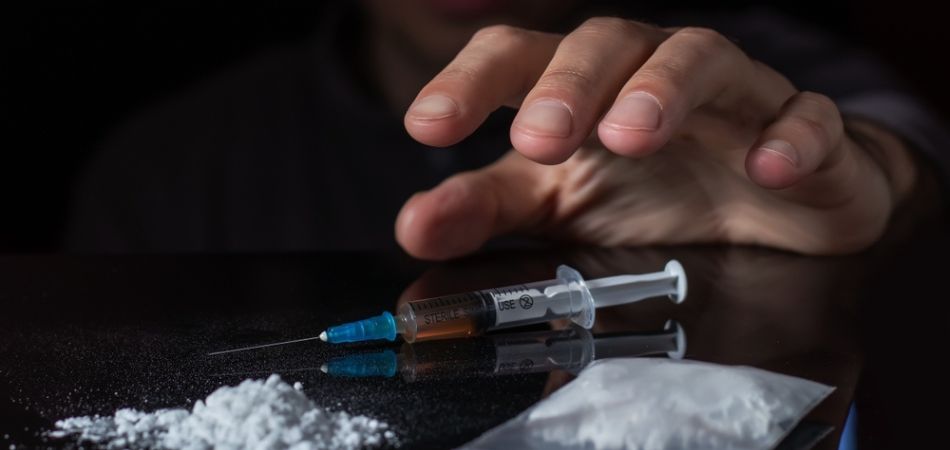
What are the dangers of heroin abuse and addiction?
The physical and psychological toll of heroin addiction can be brutal. Understanding these dangers can be a crucial step toward recognising just how urgent getting help really is.
Heroin overdose
Heroin overdose can cause respiratory depression, loss of consciousness and death. Heroin overdose symptoms to be constantly aware of include:
- Shallow or slowed breathing
- Extreme drowsiness or unconsciousness
- Pinpoint pupils
- Gurgling or choking sounds
- Severe muscle weakness
- Unresponsiveness
Naloxone (Narcan) can reverse the effects of a heroin overdose if administered promptly. If any of these symptoms are present, immediate emergency medical intervention is required.
Collapsed veins
Repeated injections damage the veins, eventually causing them to collapse. This can make it more difficult to inject safely, increasing the risk of infection and injury.
Higher risk of bacterial infections, abscesses and cellulitis
Injecting with unclean needles or missing a vein can lead to painful skin and soft tissue infections. These infections can spread quickly and may require hospital treatment.
Increased risk of endocarditis
This is an infection of the heart’s inner lining and valves. It is rare in the general population but much more common in people who inject drugs like heroin and can be life-threatening.
Liver and kidney disease
Heroin use over time can put enormous pressure on the liver and kidneys, especially if contaminated substances or other drugs are also involved.
Mental health issues
Depression, anxiety and hopelessness often go hand in hand with heroin addiction. These feelings can deepen during withdrawal and create a cycle that’s hard to break without professional detox and drug rehab therapy.
White matter damage
Long-term heroin use can affect the brain’s white matter, which plays a role in decision-making, behaviour and how we respond to stress. This damage may not be obvious at first but can lead to lasting cognitive problems.
Increased risk of blood-borne infections
Sharing needles or other drug equipment raises the risk of contracting serious illnesses such as HIV and hepatitis C. These infections can have lifelong consequences and can be fatal.
Finding help if you have a heroin addiction
If you’re feeling overwhelmed by heroin dependence, whether it’s your own or someone close to you, things don’t have to stay this way. At Providence Projects, we offer a safe space to begin recovery with detox and structured heroin rehab. Our four step treatment pathway offers extensive long-term support through multiple stages you have the option to benefit from;
Our team understands how hard those first steps can be and we will be by your side the whole way. Thousands of people have come through our doors and find their footing again.
Contact us today and you can do the same.
Reach out to our expert support team 24 hours a day
Start the Heroin Rehabilitation Process Today
Finding the best heroin addiction treatment is vital for long-term recovery success. Our friendly and compassionate team will hold your hand through the process until you learn to love yourself again.
Frequently Asked Questions
What other names/terms are used to refer to heroin?
Heroin goes by a lot of different names depending on where you are and how it’s being used. You might hear people call it “smack”, “gear”, “brown”, “H”, “junk”, “skag” or “gear”. There is also a sticky tar version often called “black tar heroin”. These slang terms can sometimes make it sound less serious than it is but heroin is a powerful and highly addictive opioid, no matter what it’s called.
Are the long-term impacts of a heroin addiction reversible?
Some of the damage caused by long-term heroin use, especially physical issues like liver or vein damage, can be permanent but a lot can improve with time, treatment and care. Emotional and mental recovery takes time, too but many people go on to rebuild meaningful, healthy lives after heroin addiction. The earlier you get support, the better your chances of a full recovery.
How long does heroin stay in your system?
Heroin leaves the body fairly quickly, but it depends on how much you have taken, how often you use it and what kind of test is being done. Heroin is usually gone from your blood within six hours, your urine within two to three days, your saliva for one to two days and your hair within ninety days. However, the effects and withdrawal symptoms of heroin can linger, even when it’s out of your system. That is why proper heroin detox and rehab support are so important. For more information on when different drugs leave your system, click here.
(Click here to see works cited)
- GOV.UK. “Adult substance misuse treatment statistics 2022 to 2023: report.” GOV.UK, 21 December 2023, https://www.gov.uk/government/statistics/substance-misuse-treatment-for-adults-statistics-2022-to-2023/adult-substance-misuse-treatment-statistics-2022-to-2023-report – Accessed 3 July 2025.
- GOV.UK. “Adult substance misuse treatment statistics 2023 to 2024: report.” GOV.UK, 28 November 2024, https://www.gov.uk/government/statistics/substance-misuse-treatment-for-adults-statistics-2023-to-2024/adult-substance-misuse-treatment-statistics-2023-to-2024-report – Accessed 3 July 2025.
- Office for National Statistics. “Drug misuse in England and Wales: year ending March 2023.” Office for National Statistics, 14 December 2023, https://www.ons.gov.uk/peoplepopulationandcommunity/crimeandjustice/articles/drugmisuseinenglandandwales/yearendingmarch2023 – Accessed 3 July 2025.
- Li, Wei et al. “Brain white matter integrity in heroin addicts during methadone maintenance treatment is related to relapse propensity.” Brain and behavior vol. 6,2 e00436. 24 Jan. 2016, doi:10.1002/brb3.436