GHB Addiction: The Causes, Symptoms and Impacts
GHB (gamma‑hydroxybutyrate) is a central nervous system depressant that is sometimes called “G”, “liquid ecstasy” or “liquid X”. GHB was originally used in medicine for narcolepsy, boosting levels that naturally occur in the brain to help keep people awake. However, it has become popular as a club drug, in chemsex scenes and, in some awful cases, as a date rape drug. GHB addiction can take hold frighteningly quickly and can be very dangerous. In fact, despite lower overall use compared to other drugs, GHB causes a disproportionately high number of emergency hospital visits and fatalities. This is why it is so important to understand the signs of GHB addiction, the harms it can cause and how GHB rehab and detox can help.
What is GHB addiction?
GHB addiction is a condition where you feel compelled to keep using GHB even when it’s having a negative effect on your life. Some people start taking GHB as a way to relax, get high on a night out or lower sexual inhibitions. GHB acts on both GHB and GABA receptors in the body, causing both stimulant and depressant effects. While these may be pleasurable at first, things can quickly escalate. While GHB addiction stories vary, the drug ultimately starts to take over everything, making it impossible to quit without professional GHB addiction treatment.
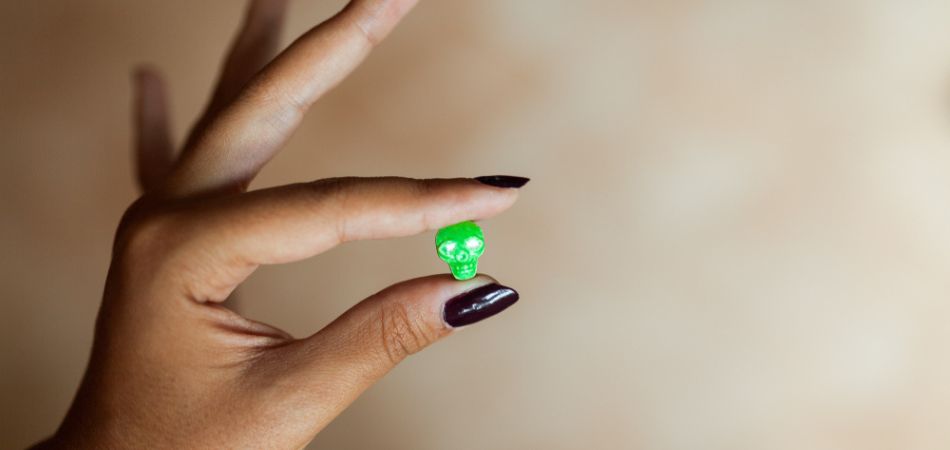
What causes GHB addiction?
An addiction to GHB is similar to other forms of drug addiction which develop over a number of stages. This begins with the initial use where you may experiment with GHB at a club, chemsex event or just to unwind. The effects take hold within just a few minutes but they also wear off in a couple of hours, making constant redosing common. This can lead to a binge‑and‑crash pattern, which quickly ramps up how much you are using.
As your dose escalates, the next stage, tolerance, begins. This means your body craves more GHB because lower amounts don’t do the job anymore. With this regular high dosage use, you then become GHB dependent and experience a spectrum of GHB withdrawal symptoms if you stop or even lower your dose. These can include:
- Insomnia
- Anxiety
- Tremors
- Nightmares
- GHB cravings
- Delirium
- Seizures
Trying to stave off these withdrawal symptoms then leaves the door open for a full-blown addiction to GHB. In this final stage, your life begins to centre solely around GHB and quitting without professional drug rehab and detox becomes a huge challenge.
GHB addiction and abuse factsheet
- Exact usage figures aren't as clear as for drugs like cocaine, but GHB is significantly involved in emergency admissions, with around 27% of critical drug toxicity cases in Europe involving GHB/GBL
- GHB deaths are also rising and in London, coroners have reported an uptick in GHB‑related fatalities linked to chemsex use
- GBL, GHB’s industrial precursor, is also on the rise, posing similar health risks as it is converted to GHB in the body.
Reach out to our expert support team 24 hours a day

Start the GHB Rehabilitation Process Today
Finding the best GHB addiction treatment is vital for long-term recovery success. Our friendly and compassionate team will hold your hand through the process until you learn to love yourself again.
What are the signs of GHB addiction?
The signs of GHB addiction can be easily missed as it is usually taken as a flavourless, odourless liquid, which can be easily hidden. However, there are some telltale
GHB misuse behaviour symptoms which can point to a serious problem:
- Needing GHB daily to function
- Terrifying GHB withdrawal symptoms when you stop
- Forgetting or blacking out after GHB use (effects which have seen it used as a date rape drug)
- Prioritising GHB use over relationships, work, family or money
- Taking risks, like mixing GHB with alcohol or other depressants
- Feeling ashamed, trapped or unable to escape the cycle of GHB use
- Need to take increasingly larger doses to get the effects
- Continuing to use GHB despite wanting to stop
Who is most at risk of GHB addiction?
GHB addiction can affect anyone who uses the drug regularly, but there are certain factors and situations that make some people especially vulnerable. Understanding these can help you or someone you care about stay safer:
Regular party or club-goers
People who frequently attend parties, clubs or festivals may have more exposure to GHB. Being around GHB often can normalise use, making casual GHB use quickly escalate into something more serious.
Chemsex participants
GHB is prevalent in the chemsex scene, especially in cities like London and Manchester. People use GHB to lower inhibitions and enhance intimacy but this can rapidly spiral into addiction, especially if it becomes part of their regular sex lives.
People managing stress or emotional pain
Those dealing with anxiety, stress, trauma or loneliness may start using GHB as a coping tool. The calming and euphoric effects of GHB can provide at least a temporary escape but this quickly leads to GHB addiction.
Those with existing mental health conditions
If you already struggle with depression, anxiety, PTSD or another mental health issue, you’re at higher risk of developing a GHB addiction. Again, GHB may feel like relief at first but in reality, it often makes these underlying problems worse when addiction takes hold.
People with a history of addiction
A previous personal or family history of substance abuse can increase your likelihood of developing a GHB addiction. Genetic and environmental factors both play roles here, meaning addiction can run in families or re-emerge even after recovery from other substances.
What are the dangers of GHB addiction and abuse?
From overdose to organ damage, the real dangers of GHB addiction and abuse are something everyone who uses or considers using GHB needs to understand clearly:
GHB overdose
High doses of GHB can cause a GHB overdose, which can be a fatal condition. Combining GHB with alcohol or other depressants multiplies the risk, with even “mild” doses potentially becoming lethal. Warning signs of a GHB overdose include:
- Sudden collapse
- Loss of consciousness
- Slow or stopped breathing
- Confusion, vomiting and seizures
- Lips or skin going blue or pale
- Pinpoint pupils
Any of these signs means you should take the person to hospital immediately or call 999.
Neurological damage
Frequent GHB use can affect your memory, learning ability and mood. Neurologically linked blackouts and disorientation can also lead to accidents or poorly judged decisions.
Mental health disorders
GHB abuse can also bring anxiety, insomnia, mood swings, depression and occasionally psychosis. These issues may deepen during binges or come downs.
Risks for the chemsex community
GHB abuse in sexual settings may increase the likelihood of dangerous behaviours, with many GHB deaths resulting from chemsex use. Some of the biggest risks include STIs, HIV, hepatitis and emotional trauma.
Organ strain
High-dose or prolonged GHB use greatly stresses your liver and kidneys. These organs work harder to process the drug, raising the risk of serious damage.
Finding help if you have a GHB addiction
If GHB addiction is hurting you or someone you care about, there is effective treatment available. At Providence Projects, we offer GHB detox and rehab treatment in a caring and supportive setting. We will help you through every stage of your recovery. Through our comprehensive pathway of treatment for addiction, we have helped thousands of people reclaim their lives from drug addiction. Contact us today to find out more about how we can help you, too.
Reach out to our expert support team 24 hours a day
Start the GHB Rehabilitation Process Today
Finding the best GHB addiction treatment is vital for long-term recovery success. Our friendly and compassionate team will hold your hand through the process until you learn to love yourself again.
Frequently Asked Questions
How is GHB addiction screened?
GHB addiction screening happens through honest conversation and clinical tools. Your doctor or rehab team may use tests and questionnaires like the DAST-10 or DSM‑5 check-ins to ask about your relationship with GHB, like loss of control, cravings or the negative impacts on your life. They may also monitor GHB withdrawal signs such as insomnia, trembling, confusion or nausea to assess the level of your physical dependency. Urinalysis isn’t routine as GHB clears fast but blood tests or toxicology may be used in emergencies or medicolegal cases.
What makes GHB different from GBL?
GHB and GBL are very closely related but they’re not exactly the same. GBL (gamma-butyrolactone) is actually a chemical precursor to GHB, meaning when you take GBL, your body quickly converts it into GHB. People often use GBL instead because it’s easier to get hold of and works faster but it’s also stronger, which can make overdosing and addiction even more likely.
Is GHB legal in the UK?
As of 13 April 2022, GHB has been officially classified as a Class B drug in the UK. This decision was made in response to rising harm evidence and its association with serious crimes. That means GHB possession without a licence can land you in prison for up to 5 years or result in an unlimited fine (or both). Supplying, producing or distributing GHB comes with a maximum penalty of 14 years’ imprisonment and/or an unlimited fine. GBL is also covered under this legislation so if GBL is sold for human use, it is treated the same way.
(Click here to see works cited)
- GOV.UK. “Circular 001/2022: Reclassification of GHB and related substances.” GOV.UK, 13 April 2022, https://www.gov.uk/government/publications/circular-0012022-reclassification-of-ghb-and-related-substances/circular-0012022-reclassification-of-ghb-and-related-substances – Accessed 3 July 2025.
- NHS. “GHB/GBL “G.”” Lets Talk About It, 2025, https://www.letstalkaboutit.nhs.uk/directory-services/chemsex-support/ghbgbl-g – Accessed 3 July 2025.
- Hockenhull, Joanna et al. “An observed rise in γ-hydroxybutyrate-associated deaths in London: Evidence to suggest a possible link with concomitant rise in chemsex.” Forensic science international vol. 270 (2017): 93-97. doi:10.1016/j.forsciint.2016.11.039
- Tay, Emma et al. “Current Insights on the Impact of Gamma-Hydroxybutyrate (GHB) Abuse.” Substance abuse and rehabilitation vol. 13 13-23. 9 Feb. 2022, doi:10.2147/SAR.S315720