Zolpidem Addiction: The Causes, Symptoms and Impacts
In the UK, Zolpidem zolpidem is tightly controlled. It is classified as a Class C drug under the Misuse of Drugs Act, meaning it is only legal to use when prescribed by a doctor. Possession without a prescription or supplying it to others carries criminal consequences, reflecting the risks attached to its misuse.
Although intended as a short-term solution, Zolpidem use has shown that even medicines given for sleep can become problematic. This is where questions of dependency and addiction begin to surface, which we’ll now look at more closely.
What is Zolpidem?
Zolpidem is a prescription sleeping pill designed to treat short-term insomnia, helping people fall asleep faster and stay asleep through the night. Because it slows down brain activity, it can provide real relief for those struggling with restless nights. Unlike traditional benzodiazepines, Zolpidem belongs to a group of medicines known as “Z-drugs,” yet its effects often feel very similar, which is why it is sometimes viewed in the same light.
Is Zolpidem addictive?
Zolpidem has often been marketed as a drug with a low chance of dependency, but growing evidence suggests this is not entirely the case. One case study from a psychiatric clinic highlights just how easily dependency can develop.
The patient was a 32-year-old man with a history of heroin use who had been abstinent for several years through Narcotics Anonymous. When prescribed Zolpidem for sleep issues, the very first dose gave him a euphoric rush that reminded him of heroin. From there, the amounts he took spiralled quickly, eventually reaching dangerously high doses.
His experience was far from the “low risk” label that apparently comes with Zolpidem and other related drugs. He faced withdrawal symptoms, including:
- Insomnia
- Irritability
- muscle cramps
- Sweating
- Restlessness
All of which arel the classic signs of dependency taking hold. At one point, his use was so heavy that he suffered convulsions and required hospitalisation.
Similar Zolpidem abuse and dependency have been reported across Europe and the United States, showing a repeating pattern of rapid dose escalation and harsh withdrawal. Taken together, it’s clear that Zolpidem can be addictive, especially when use stretches beyond short courses or when someone begins chasing the mood-altering effects instead of sleep.
Concerning Zolpidem use in the UK
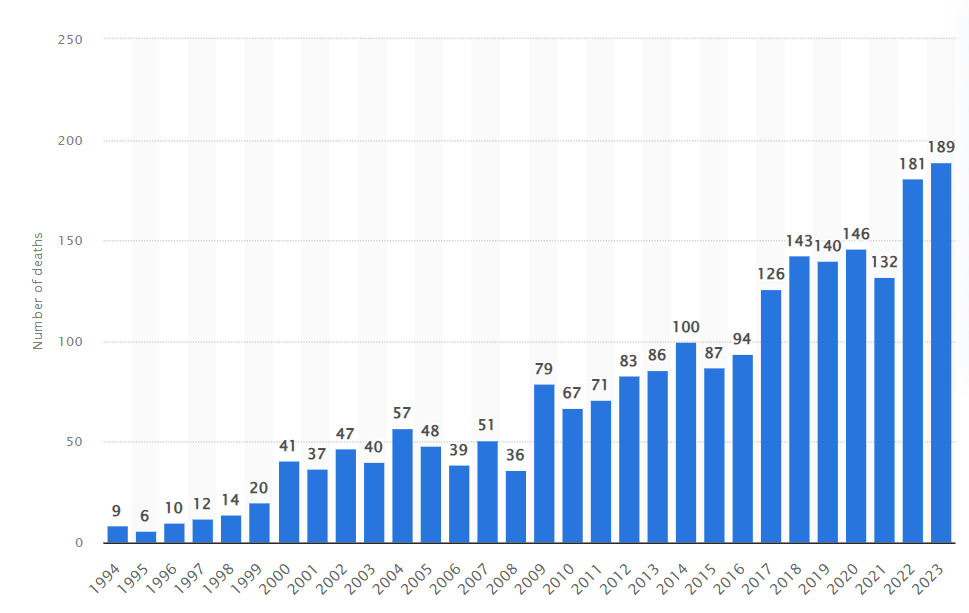
Looking at the data, deaths linked to Zolpidem have shown a gradual but undeniable rise over the years. It may not be a sharp spike, but the pattern is consistent and each number on that chart represents a life lost.
What this tells us is that Zolpidem dependence is very real, even if it doesn’t dominate headlines like other drugs. The danger lies in its quiet persistence, creeping upward year by year while often flying under the radar.
Prescribing figures add to the concern. Even though the CQC reported a 7% reduction in Zolpidem prescriptions in 2024, the total still stood at nearly 580,000. That’s an enormous volume of medication being dispensed across the UK and with numbers like that, the potential for dependency and harm remains significant.
Taken together, the statistics highlight that Zolpidem use is not without consequence and the risks of addiction to the sleeping pill should not be underestimated.
Reach out to our expert support team 24 hours a day

Start the Zolpidem Rehabilitation Process Today
Finding the best addiction treatment is vital for long-term recovery success. Our friendly and compassionate team will hold your hand through the process until you learn to love yourself again.
What are the signs of Zolpidem addiction?
With so many Zolpidem prescriptions being dispensed in the UK every year, there’s a good chance that you or someone you care about is taking it right now. If that’s the case, it’s important to understand the signs of Zolpidem addiction. Taking prescribed medication can sometimes feel like being in a safety net, after all, it’s legal. But legality doesn’t remove the risks.
Awareness is key and here are the signs to look out for.
Physical signs of addiction
- Regular blackouts or episodes of extreme drowsiness that interrupt daily life.
- Muscle weakness or tremors that weren’t there before starting the medication.
- Unexplained weight changes caused by disrupted sleep and appetite cycles.
- Headaches, nausea or sweating when the drug begins to wear off.
- A noticeable decline in coordination, making accidents more likely.
Psychological signs of addiction
- Cravings for Zolpidem that dominate thoughts throughout the day.
- Heightened anxiety or panic when a dose is missed.
- Memory problems that affect conversations, work or daily tasks.
- Mood swings that make it difficult to stay balanced or calm.
- Hallucinations or vivid dreams that blur the line between sleep and waking life.
Behavioural signs of addiction
- Using Zolpidem at times when it wasn’t prescribed, such as during the day.
- Going to multiple doctors or pharmacies to get extra prescriptions.
- Neglecting responsibilities at home or work due to fatigue or misuse.
- Hiding use from friends and family to avoid questions or judgement.
- Continuing to take Zolpidem even after health or legal problems have surfaced.
If you recognise some of these signs, it’s crucial to take a deeper look at your relationship with Zolpidem and consider reaching out for help.

Am I addicted to Zolpidem?
If you’ve noticed one or maybe even more of the signs of Zolpidem addiction, it’s worth zoning in on your own usage. Like many prescription drug addictions, it can lie unnoticed for a long time, quietly gaining strength and only making itself known when the situation has already become much worse. That’s why it helps to check in with yourself using a simple questionnaire:
- Do you find yourself craving Zolpidem or thinking about your next dose?
- Have you ever tried to cut down or stop, only to find it difficult?
- Are your sleep patterns, mood or memory suffering because of Zolpidem use?
- Do you feel restless, anxious or unwell when you haven’t taken it?
- Has your dosage increased over time because the original amount no longer works?
- Is your Zolpidem use affecting your responsibilities, relationships or daily life?
If you answered yes to one or more of these questions, it may be time to consider whether Zolpidem misuse is present. Reaching out for professional rehab treatment can provide the guidance and support needed to break free and start rebuilding your health and stability.
Is help available for Zolpidem addiction?
If you’re worried that Zolpidem has taken hold of your life, at Providence Projects we can help you take back control with our Zolpidem rehab programme. Our team offers safe detox options, tailored therapy and ongoing aftercare all within the treatment pathway we offer, designed to support lasting recovery. We understand how difficult it can be to break free from a prescription drug that was meant to help, but you don’t have to face it alone.
Whether it’s for yourself or someone you care about, reaching out is the first step.
Contact us today and begin the journey towards a healthier, addiction-free future.
Reach out to our expert support team 24 hours a day
Start the Zolpidem Rehabilitation Process Today
Finding the best addiction treatment is vital for long-term recovery success. Our friendly and compassionate team will hold your hand through the process until you learn to love yourself again.
Frequently Asked Questions
Is it dangerous to stop taking Zolpidem abruptly?
Yes. Suddenly stopping Zolpidem can trigger withdrawal symptoms like anxiety, insomnia and muscle cramps. It’s always safer to taper use gradually with professional guidance rather than quitting overnight.
How long does Zolpidem stay in your system?
Zolpidem leaves the body fairly quickly, with an average half-life of around two to three hours. However, traces can remain detectable for longer, depending on dosage, frequency of use and individual metabolism.
Is Zolpidem stronger than Zopiclone?
Both medications are Z-drugs prescribed for insomnia, but they affect people differently. Some find Zolpidem more potent and fast-acting, while others respond more strongly to Zopiclone. Strength depends on dosage and individual response.
(Click here to see works cited)
- Heydari, Mostafa, and Mohsen Saberi Isfeedvajani. “Zolpidem Dependence, Abuse and Withdrawal: A Case Report.” Journal of Research in Medical Sciences : The Official Journal of Isfahan University of Medical Sciences, vol. 18, no. 11, Nov. 2013, p. 1006, pmc.ncbi.nlm.nih.gov/articles/PMC3906775/
- “Zopiclone and Zolpidem Drug Deaths England & Wales 2021.” Statista, www.statista.com/statistics/470863/drug-poisoning-deaths-zopiclone-zolpidem-in-england-and-wales/
- “National Trends in the Prescribing of Controlled Drugs – Care Quality Commission.” Cqc.org.uk, 2024, www.cqc.org.uk/publications/controlled-drugs/2024/trends