Zopiclone Addiction: The Causes, Symptoms and Impacts
Because Zopiclone acts quickly, Zopiclone is often taken right before bedtime and can start working within an hour. For people lying awake for hours, that effect can feel like a lifeline, but what makes it useful also makes it risky.
Prescriptions are normally given for only short periods, because the longer it is used, the greater the risk of tolerance and dependence.
What is Zopiclone?
Zopiclone is a prescription-only medication used to treat short-term insomnia and disrupted sleep. It belongs to the family of “Z drugs,” alongside Zaleplon and Zolpidem and works in a similar way to benzodiazepines by enhancing the brain’s calming chemical, GABA. This slows activity in the nervous system, making it easier to drift into sleep.
How Zopiclone addiction can begin
For most, Zopiclone begins as a helping hand. A doctor prescribes the sleeping pill, nights become bearable, and for a while, it feels as though the problem is solved. Yet the boundary between safe use and reliance can blur quickly.
Addiction does not arrive with a dramatic event like many think it does. It may begin with taking a pill earlier than planned, using it every night instead of occasionally or carrying on long after the prescription should have finished. The body adapts, leading to increases in tolerance and soon, higher doses are needed to achieve the same effect.
Psychological zopiclone dependence often develops just as fast, something that many disregard at first. The thought of going without Zopiclone can be enough to create anxiety, meaning what was intended as a short-term solution becomes a long-term issue.
The dark side to zopiclone
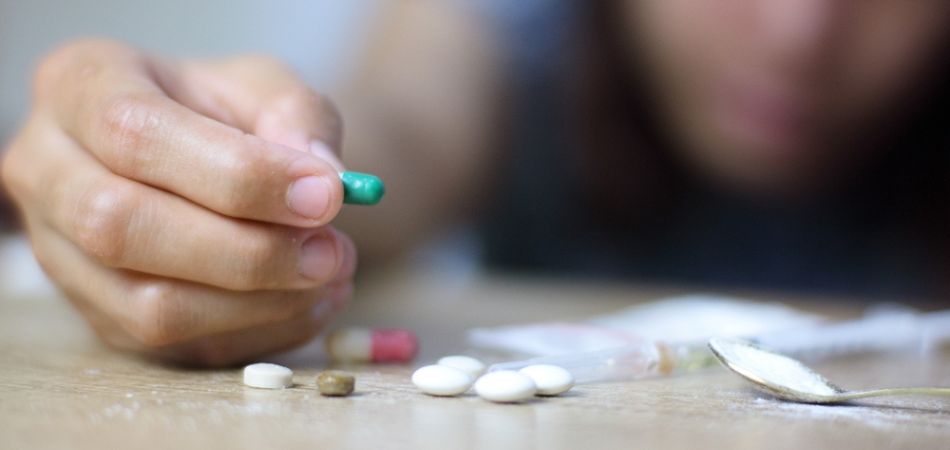
Zopiclone is often viewed as a safe way to manage sleepless nights but research shows a far more concerning picture. A Swedish study of over 7,000 fatal intoxications found that 573 were linked to Zopiclone and in most cases, the individuals had been prescribed the drug.
Alarmingly, nearly one in five suicide-related intoxications involved Zopiclone, with women particularly overrepresented. While many of these deaths involved other substances, some were the result of Zopiclone alone, proving that its toxicity can be lethal.
These findings highlight a reality that is often overlooked: even when taken as prescribed, Zopiclone carries serious dangers. Being aware of this “dark side” is vital, especially for those already vulnerable to addiction or mental health struggles.
How Zopiclone addiction can affect your life
Desperation for rest makes it easy to overlook the risks of ongoing use, but Zopiclone misuse doesn’t stay hidden for long. It reaches into multiple parts of life, altering the way health, relationships, and responsibilities unfold.
Below, we explore how deeply a Zopiclone addiction can take hold:
Physical health
With Zopiclone in the picture, sleep isn’t really sleep anymore. The body doesn’t get the chance to find its natural rhythm, so mornings often feel heavy before the day has even started. People talk about dragging themselves through with headaches or an odd metallic taste. If they try to stop, their body pushes back with restlessness, anxiety, or even shaking. It’s not dramatic on the outside but physically, life begins to feel unsettled.
Mental and emotional wellbeing
What looks like rest from the outside doesn’t always feel like rest on the inside. Zopiclone might switch the brain off but it doesn’t give back balance. Irritability shows up more, and the lows feel harder to shake. Some people say it feels like their motivation has gone missing, like they’re going through the motions but not really connected to what they’re doing. Even focus slips, which makes ordinary days that much tougher.
Home life and relationships
Zopiclone addiction can affect the whole family, not just the person taking it. The changes at home can be hard to explain, with conversations feeling shorter and the whole atmosphere in the house shifting. This often happens because withdrawal symptoms creep in between doses, affecting mood and patience, and those small changes can quickly build into tension.
Reach out to our expert support team 24 hours a day

Start the Zopiclone Rehabilitation Process Today
Finding the best addiction treatment is vital for long-term recovery success. Our friendly and compassionate team will hold your hand through the process until you learn to love yourself again.
What are the signs of Zopiclone addiction?
Because Zopiclone is often prescribed, the signs of addiction are easy to dismiss. Yet paying attention to changes in the body, mind and behaviour can reveal when reliance is forming. It’s especially important to know these signs if you’re keeping an eye on yourself or others around you.
Physical signs
- Needing higher doses to achieve sleep
- Daytime grogginess or headaches even while using the medication
- Withdrawal symptoms such as sweating, shakiness or nausea when doses are missed
- Disrupted sleep that continues despite ongoing use
Psychological signs
- Anxiety or panic at the idea of being without Zopiclone
- Strong cravings or obsessive thoughts about when it can next be taken
- Emotional flatness, irritability or prolonged low mood
- Struggling to concentrate or experiencing memory problems
Behavioural signs
- Taking more than prescribed or using someone else’s medication
- Hiding use or avoiding questions from family and friends
- Seeking multiple prescriptions or early refills
- Withdrawing from responsibilities or social life as use takes over
These signs do not always appear all at once but even small shifts can suggest dependence is forming. Recognising them early is an important step towards taking back control.
Am I addicted to Zopiclone?
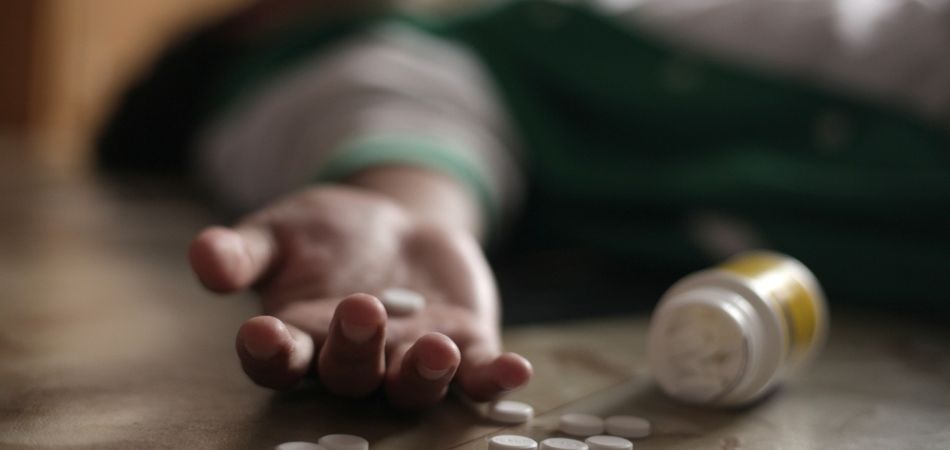
If you or a loved one is taking Zopiclone, it’s imperative to check in on yourself. Although your doctor will have spoken to you about the risks of addiction, it always helps to re-evaluate and stay connected with how things really feel.
Ask yourself:
- Have I been taking Zopiclone for longer than recommended?
- Has my dose increased over time to get the same effect?
- Do I struggle to fall asleep without it?
- Have I noticed withdrawal symptoms such as anxiety or restlessness between doses?
- Do I feel the need to hide my use or feel guilty about it?
- Has my mood or behaviour changed in ways others have pointed out?
If you answered “yes” to any of these questions, it may suggest that Zopiclone is beginning to take a stronger hold and that further help may be needed.
Getting help for Zopiclone addiction
If Zopiclone has started to take more control than you ever intended, at Providence Projects we can provide the support you need. Our tailored rehab programmes guide you through detox to ease withdrawal, therapy to address the underlying causes and aftercare to help you maintain progress.
With a combination of traditional and holistic therapies, we give you the tools in our Zopiclone rehab treatment programme to manage life without Zopiclone. Recovery from your dependence on the prescription drug may feel out of reach right now but with the right support, you can regain healthy sleep and move forward with confidence. Contact us today.
Reach out to our expert support team 24 hours a day
Start the Zopiclone Rehabilitation Process Today
Finding the best addiction treatment is vital for long-term recovery success. Our friendly and compassionate team will hold your hand through the process until you learn to love yourself again.
Frequently Asked Questions
How quickly can Zopiclone addiction develop?
Dependence can develop in a matter of weeks if Zopiclone is taken regularly. Tolerance builds, doses creep higher and psychological reliance forms, particularly when use stretches beyond the prescribed period.
Can the long-term effects of Zopiclone abuse be reversed?
Some effects, such as fatigue, poor sleep and mood changes, improve once use stops and recovery begins. Deeper health or relationship impacts, however, may need professional treatment and time to heal.
What happens if you take Zopiclone and stay awake?
Staying awake after taking Zopiclone can trigger confusion, memory lapses, poor coordination or risky behaviour. The drug is designed for sleep, so resisting it can put you in unsafe situations.
(Click here to see works cited)
- NHS. “How and When to Take Zopiclone.” Nhs.uk, 23 Feb. 2022, www.nhs.uk/medicines/zopiclone/how-and-when-to-take-zopiclone/
- Lova Tralla, et al. “Fatal Intoxications with Zopiclone—a Cause for Concern?” Drug Safety, vol. 47, no. 7, Adis, Springer Healthcare, Mar. 2024, pp. 687–97, https://doi.org/10.1007/s40264-024-01424-6. Accessed 10 Sept. 2024.
- NHS. “Side Effects of Zopiclone.” Nhs.uk, 23 Feb. 2022, www.nhs.uk/medicines/zopiclone/side-effects-of-zopiclone/
- Thornton, Philip. “Zopiclone: Uses, Dosage, Side Effects, Warnings.” Drugs.com, 4 Apr. 2023, www.drugs.com/zopiclone.html