Legal high Addiction: The Causes, Symptoms and Impacts
Can you picture a time when science managed to copy illicit drugs and sell them legally online, giving people of all ages the sense that using them was perfectly safe? That was the reality in the early 2010s. While things are more under control today, the fallout from those years is still being felt, continuing to impact communities and devastate families across the UK.
What are legal high drugs?
Legal highs or novel psychoactive substances (NPS), were once sold as the “safe” alternatives to illegal drugs. They were usually branded as items like bath salts or incense, but always came with the understanding that everyone knew what they were really for. Behind this, though, were chemicals no one had properly tested and no one fully understood.
Manufacturers constantly tweaked formulas to dodge the law, meaning a product bought one week could be entirely different the next. Users became test subjects, hoping for the same buzz but never knowing what they’d actually swallowed.
In 2016, the UK ban closed those loopholes, making it illegal to produce, sell or possess legal highs. The name stuck, though and so did the damage. People are still addicted today, proof that “legal” was never the same as “safe.”

How does a legal high addiction develop?
The reason legal highs hook people so quickly lies in their unpredictability. Prescription drugs go through years of study before they ever reach a pharmacy shelf. Legal highs, on the other hand, were rushed into shiny packets with no safety checks, sold cheaply and snapped up by those chasing an edge.
Someone might feel euphoric one night and paranoid the next but it’s the memory of that one good high that lures them back. With every hit, the body adjusts, tolerance creeps in and soon it takes more just to reach the same point. Add to that the brain’s own chemistry, which quickly learns to crave the dopamine rush and the cycle of addiction is born.
The most common legal highs
While dozens of substances have come and gone under the “legal high” label, a few stand out for the damage they’ve left behind. If you’ve heard of legal highs, chances are you’ve heard of these three.
Benzo Fury addiction
Benzo Fury was once billed as the party starter, the drug that made nights longer and people more sociable. What wasn’t advertised was how quickly it could hijack the brain’s reward system. Cravings arrive fast, the comedown leaves people emotionally wrecked and soon the only way to feel “normal” is to use again. Benzo Fury addiction barrels in before you even realise what’s happening.
Spice addiction
Spice has a reputation all of its own. Sold as a cannabis substitute, it turned out to be anything but. Far stronger and wildly unpredictable, it can lock people into addiction with frightening speed. Cravings become overwhelming, withdrawals hit hard and users are left stuck between wanting relief and knowing that every drag makes life harder. Across the UK, communities have seen the chaos Spice addiction can bring.
Mephedrone addiction
Mephedrone, better known as MKAT, is a stimulant that hits hard and fades fast. That short burst of euphoria is tempting but it never lasts. The crash that follows is brutal and the quickest way to escape it is to use again. Before long, binges replace control and the mind is left chasing a high that’s always out of reach.
The impact of legal high addiction
What begins as an experiment or a way to switch off for a while can set off a chain of effects that reach further than expected.
When an addiction to legal highs sets in, you can expect some, if not all, of the following concerns:
- Physical effects of legal high abuse often creep in first. This could be constant exhaustion and bouts of nausea while the body tries to process chemicals it’s never encountered before.
- Mental and emotional effects soon follow, with paranoia, crushing lows and mood swings that leave both the user and their loved ones unsure which version of them will show up.
- Behavioural changes emerge slowly at first, through secrecy or missed responsibilities but soon risk-taking and avoidance become the new normal.
- Family and social consequences can be devastating. Trust erodes, arguments flare and distance grows, leaving the person isolated even when surrounded by people who care.
- Work and financial pressures add another blow. Performance slips, money disappears and opportunities vanish, leaving yet another source of stress.
The overall direction of life shifts off course, until daily existence looks nothing like it did before legal highs took hold.
We’ve been speaking in general terms here but it’s worth asking: what do these changes look like when you zoom in on specific substances? That’s where drugs like Benzo Fury, Spice and Mephedrone show their true colours.
Reach out to our expert support team 24 hours a day

Start the Legal high Rehabilitation Process Today
Finding the best addiction treatment is vital for long-term recovery success. Our friendly and compassionate team will hold your hand through the process until you learn to love yourself again.
Signs of legal high addiction
With legal highs, the sheer variety makes it impossible to pin down a single checklist of symptoms. Every drug behaves differently but there are common threads that appear once use crosses into addiction. If you are using legal highs or know someone who is, you may see some of the following signs and symptoms that legal-high dependency has already set in.
Behavioural signs
- Pulling away from family, friends or long-standing social circles
- Skipping out on work, school or home responsibilities
- Becoming secretive about whereabouts, money or social activities
- Making reckless decisions or taking risks that feel out of character
Psychological signs
- Intense mood swings that flip without warning
- Persistent anxiety, paranoia or agitation that doesn’t fade
- Depression or prolonged low mood that clouds daily life
- Loss of interest in hobbies, passions or simple pleasures
Physical signs
- Noticeable changes in weight and a drop in self-care
- Severe insomnia or, at the other extreme, oversleeping
- A run-down appearance, marked by fatigue or frequent illness
- Withdrawal symptoms like shaking, sweating or nausea when cutting down
If any of these signs feel familiar, whether in yourself or someone you love, the next step is reaching out for professional support. Addiction feeds on silence but help begins with speaking up.
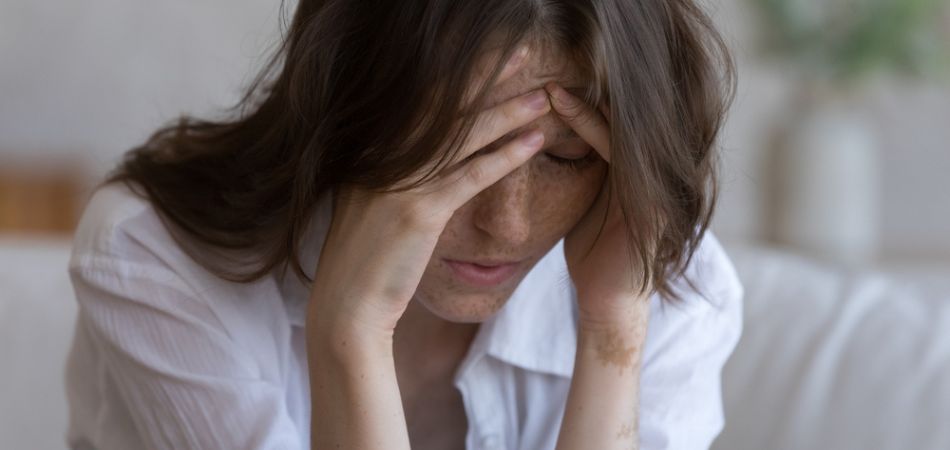
Getting help at The Providence Project
At Providence Projects, we’ve seen the damage legal high misuse can cause, but through our rehab programmes, we’ve also seen recovery. Our rehab programmes for legal highs are designed to guide people safely through detox, uncover the reasons behind their legal high addiction and build the tools needed for long-term stability. With therapy, holistic approaches and aftercare all included in our treatment pathway, we support both the individual and their family every step of the way.
If you’re worried about yourself or someone close to you, reach out today. A different future is possible, and it starts here.
Reach out to our expert support team 24 hours a day
Start the Legal high Rehabilitation Process Today
Finding the best addiction treatment is vital for long-term recovery success. Our friendly and compassionate team will hold your hand through the process until you learn to love yourself again.
Frequently Asked Questions
What are the most addictive legal highs?
Spice, Mephedrone and Benzo Fury top the list. Their unpredictable strength and ability to create tolerance quickly mean addiction can form with alarming speed, leaving users caught in dependency.
Can legal highs cause mental health problems?
Yes. Anxiety, paranoia and depression are all linked to legal highs. For some, these issues continue long after use stops, showing how deeply these substances can affect mental health.
Are legal highs still available in the UK?
Although banned in 2016, some still circulate illegally. Packets may look familiar but their contents are unpredictable, carrying serious risks of addiction, illness and long-term harm.