The Opioid Trap


The Addiction Cheat Code: How to Rewire Your Brain for Recovery
If you’ve previously tried and failed to stop drinking, take a step back from an addictive behavioural habit or quit using drugs, you might be wondering if there’s some strategy or piece of information missing that would make recovery work this time. But while there is no cheat code for sobriety, understanding how addiction changes the brain can help explain why previous attempts were so hard. This knowledge can take away some of the shame and guilt that addiction causes, and shows you how the healing process works.
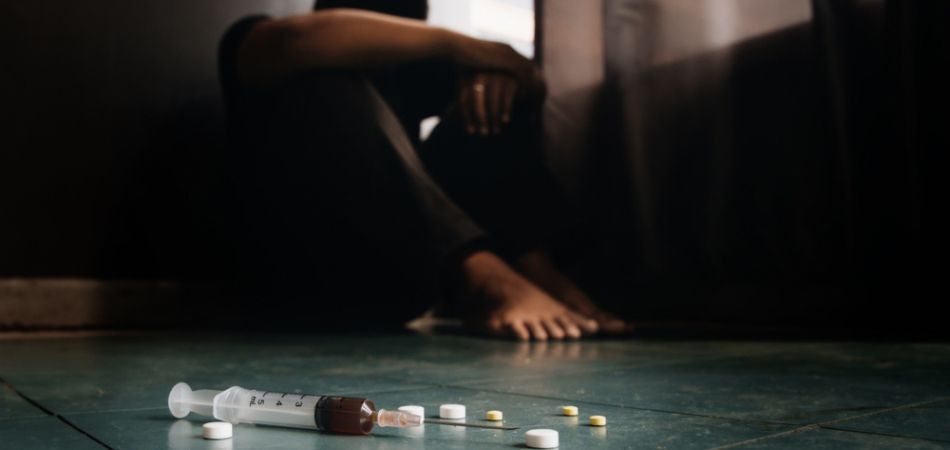
How addiction changes the brain chemistry
When you drink excessively or abuse drugs, your brain releases a chemical called dopamine. Dopamine is often called the “pleasure chemical”, but its real job is actually telling your brain that something matters and should be repeated.
Drugs, alcohol and even things like gambling cause a dopamine release far larger than anything natural. Your brain notices this flood and tries to balance things out by producing less dopamine on its own and becoming less sensitive to it. If you don’t give the brain an artificial dopamine boost (for example, if you try to quit drugs or alcohol), the dopamine shortage makes you feel sick and desperate. This reaction is called withdrawal, and if you are reading this, you probably know how that feels.
This is how dopamine and addiction become linked, and it is a big reason why stopping feels so hard at first. Your brain has adjusted to expect the substance, and without it, the chemistry is off. As well as needing to maintain the chemical balance, ordinarily pleasurable things start to lose their impact. Soon, family, hobbies, work, education, and all the other important things in life seem unimportant compared to feeding the addiction.
How addiction changes behaviour
ain actions, and it starts following these patterns. For example, alcohol addiction starts redirecting your route home after work so that you pass the off-license.
At the same time, the prefrontal cortex, the part of your brain behind your forehead that handles judgement and impulse control, becomes less active. This affects your ability to pause and weigh up whether something is a good idea.
Stress responses also change. Your brain learns that substances or rewarding behaviours like gaming or using pornography make difficult feelings go away. Without them, symptoms of stress become harder to bear. That is why stress is often such a major trigger for addiction.
All of this is why quitting substances or addictive behaviours, even if you desperately want to, is so hard. The brain changes that addiction cause, meaning that willpower is rarely enough on its own, because you are fighting against biology.
Neuroplasticity and addiction
While all of that can seem like there is no hope, it is vital to understand that the brain can change back. This is a relatively new understanding. For a long time, scientists believed the adult brain was mostly fixed, so what you had was what you were stuck with.
In fact, we now know that the brain keeps reorganising itself throughout life based on what you do. Pathways you use often get stronger, while those you stop using weaken and fade. Scientists call this neuroplasticity.
In addiction, neuroplasticity works against you. The pathways connected to substance use become deeply worn. In recovery, however, neuroplasticity works in your favour. New pathways can form, so the old ones start to lose their grip.
Brain imaging research confirms this. When scientists followed people through long-term recovery, they found genuine changes. The prefrontal cortex started functioning more normally again, and the brain began responding to natural sources of pleasure. While these changes can take months and years to take place, the changes do happen.
This matters so much because it means the brain is actually healing during recovery. If you complete detox safely, stick to your recovery plan, avoid relapse or bounce back quickly when you slip up once, you can rewire your brain for recovery. It’s not a cheat code, but it is a genuine healing process.

What helps the brain heal?
Of course, the big question now becomes what you can do to help with this healing process. There are various things that can support the brain’s recovery, which work because they address what addiction changed.
Structured rehab treatment
Routine helps because when everything feels chaotic, it’s harder to make thoughtful decisions. At Providence Projectd, our residential treatment programmes follow a carefully crafted treatment pathway, that includes a busy daily structure, and are provided by a professional team who understand addiction and the brain.
Therapy that targets thinking patterns
Cognitive behavioural therapy is a cornerstone of Providence Projects alcohol,drug and prescription drug addiction treatment programmes. It helps you notice the thoughts that lead toward substance use and addictive behaviours so you can interrupt them before they take over. Each time you practise this, you strengthen the prefrontal cortex, the part of your brain that addiction weakens. A 2023 review of clinical trials found CBT consistently effective for substance problems, partly because of this direct effect on how the brain functions.
Physical activity
Exercise causes your brain to release dopamine naturally, which helps it start responding to things other than substances again. It also promotes the growth of new brain cells in areas involved in memory and mood. And you don’t need to do anything extreme. We include various physical activities at all UKAT rehab centres, including yoga therapy, regular walks and fitness programmes.
Quality sleep
Your brain does essential repair work during sleep, but substance use badly disrupts sleep. This often continues into early recovery, with poor sleep making relapse more likely. That is why developing good sleep habits is a big part of the lifestyle changes we promote as part of relapse prevention planning at Providence Projects.
Mindfulness
Once a full addiction has taken hold, every part of your life is affected. You may want to stop but can’t, despite all of the harm that you can see is being done to you and the people you care about. While this is a scary point to reach, it is also the point where real help and change can begin.
Connection with others
Being around people who understand what you’re going through in group therapy and UKAT’s alumni network provides accountability and allows you to share your experiences. It also gives your brain something meaningful to focus on and take pleasure from.
Remember, you don’t need to do all of this perfectly or all at once. The brain responds to repetition, and it is what you do consistently that most shapes how it heals.
How Providence Projects can help
If recovery hasn’t worked before, it can feel like it never will; that’s often how addiction keeps its hold. The recovery cheat code, if there truly is one, is simply that understanding .Understanding how it affects the brain can explain why past attempts fell short.
Providence Projects can help you make sense of your experience and find a better way ahead. When you’re ready, we are here for you – contact us today.
Reach out to our expert support team 24 hours a day

Looking for rehab?
If you are looking for rehab to take your, or a loved ones, life back from addiction, look no further than Providence Projects. Reach out to us today to find out how we can help you or a loved one achieve long-term recovery.
(Click here to see works cited)
- Brower, Kirk J. “Sleep Disturbance as a Universal Risk Factor for Relapse in Addictions to Psychoactive Substances.” Medical Hypotheses, vol. 74, no. 5, 2010, pp. 928–33, https://doi.org/10.1016/j.mehy.2009.10.020.
- Cabral, Daniel A., et al. “Rewiring the Addicted Brain Through a Psychobiological Model of Physical Exercise.” Frontiers in Psychiatry, vol. 10, 2019, article 600, https://doi.org/10.3389/fpsyt.2019.00600.
- National Institute on Drug Abuse. Drugs, Brains, and Behavior: The Science of Addiction. National Institutes of Health, 2020, https://nida.nih.gov/publications/drugs-brains-behavior-science-addiction.
- Pando-Naude, Victor, et al. “Structural and Functional Brain Recovery in Individuals with Substance Use Disorders During Abstinence: A Review of Longitudinal Neuroimaging Studies.” Drug and Alcohol Dependence, vol. 232, 2022, article 109285, https://doi.org/10.1016/j.drugalcdep.2022.109285.
- Pfund, Rory A., et al. “An Evaluation of Cognitive Behavioral Therapy for Substance Use Disorder: A Systematic Review.” Clinical Psychology: Science and Practice, vol. 30, no. 3, 2023, pp. 309–23, https://doi.org/10.1037/cps0000139.
- Tang, Yi-Yuan, et al. “Mindfulness Meditation Improves Emotion Regulation and Reduces Drug Abuse.” Drug and Alcohol Dependence, vol. 163, suppl. 1, 2016, pp. S13–S18, https://doi.org/10.1016/j.drugalcdep.2015.11.041.