Dangers of Mixing Ibuprofen and Alcohol


What ibuprofen does to your body
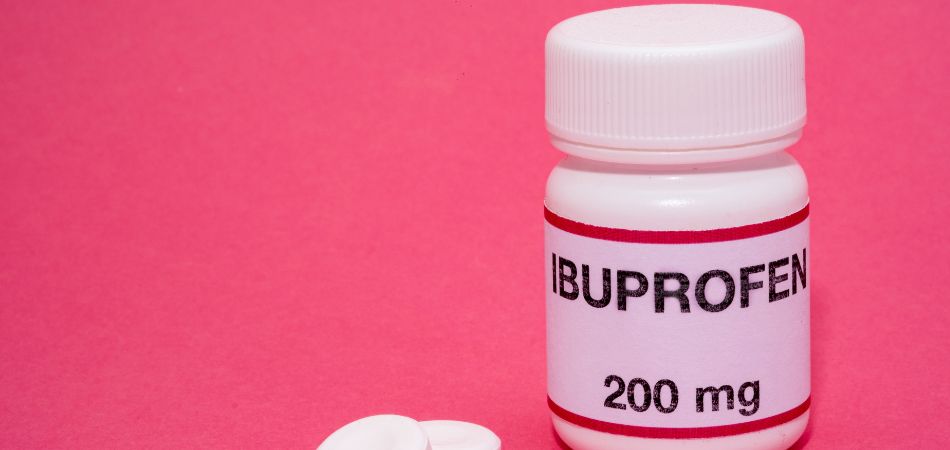
Ibuprofen is one of the most commonly used painkillers in the UK. You’ll find it under brand names like Nurofen, and most people take it without a second thought for headaches and back pain, among other conditions. It belongs to a class of drugs called NSAIDs, which stands for non-steroidal anti-inflammatory drugs.
It works by blocking two enzymes, COX-1 and COX-2, which produce prostaglandins. Prostaglandins cause pain and inflammation, so blocking them is what makes ibuprofen effective. But prostaglandins also do something else that most people don’t know about, in that they protect the lining of your stomach, and they help maintain blood flow to your kidneys.
This is where the alcohol interaction starts to matter, as when you take ibuprofen, you’re temporarily removing some of the protection your stomach and kidneys rely on. Alcohol attacks some of those same defences from the other direction.
Why mixing ibuprofen and alcohol is a problem
Unlike some drug-alcohol combinations, there isn’t a single dramatic reaction when you mix ibuprofen and alcohol. The danger is subtler and builds as you take more of each and more regularly.
Both ibuprofen and alcohol irritate the stomach lining independently. Ibuprofen does it by reducing the prostaglandins that keep the lining intact. Alcohol does it by increasing acid production and directly disrupting the mucus layer that protects the stomach wall. When both are present at the same time, the protective mechanisms are being weakened from two directions at once.
A large case-control study looked at the risk of major upper gastrointestinal bleeding in people using ibuprofen at different levels of alcohol consumption. Regular ibuprofen use roughly tripled the risk of serious bleeding in people who were also drinking. Occasional use in occasional drinkers showed no statistically significant increase.
What this tells you is that the risk is real, but it’s concentrated among people who use both regularly rather than someone who takes a single ibuprofen tablet after a glass of wine.
What happens when you mix them regularly
The occasional combination may not cause noticeable harm for most healthy adults, but regular use of both together places sustained stress on specific organs. This is where the real danger sits.
Stomach and gastrointestinal damage
Chronic use of ibuprofen alongside regular alcohol consumption increases the risk of gastric ulcers and gastrointestinal bleeding. The stomach lining is designed to repair itself, but when both substances are stripping away its defences on an ongoing basis, the damage can outpace the body’s ability to heal.
The symptoms of this can develop gradually. You might notice persistent stomach pain or nausea, and if these symptoms appear while you’re using ibuprofen and drinking, they should be taken seriously.
Kidney damage
This is the organ most at risk from the combination and the mechanism is worth understanding. Research on NSAID nephrotoxicity explains that in a well-hydrated, healthy person, ibuprofen’s effect on kidney blood flow is minimal. But when the body is dehydrated, the kidneys depend on prostaglandins to maintain adequate blood flow.
Ibuprofen blocks those prostaglandins and alcohol dehydrates the body by suppressing the hormone that tells your kidneys to retain water.
The result is that the combination of ibuprofen and alcohol-induced dehydration can reduce blood flow to the kidneys to the point where they struggle to function properly.
Case reports have documented acute kidney injury in otherwise healthy young adults after binge drinking combined with NSAID use.
The people most at risk are those with pre-existing kidney problems, older adults and anyone who drinks heavily. But the research makes clear that the combination can cause problems even in healthy people if the dehydration is severe enough.
Liver strain
This is where it’s important to separate ibuprofen from paracetamol, because the two are constantly. Paracetamol and alcohol are a genuinely dangerous combination for the liver because of how paracetamol is metabolised. Ibuprofen is a different story.
The NIH LiverTox database describes ibuprofen as among the safest NSAIDs for the liver, with clinically significant liver injury occurring in roughly 1 to 2 cases per 100,000 prescriptions. Ibuprofen does not produce the toxic byproduct that makes paracetamol dangerous when combined with alcohol.
That said, ibuprofen still requires processing by the body, and alcohol places its own demands on the liver. If your liver is already compromised by heavy drinking, adding any medication creates additional strain. The risk is real, but it’s far smaller than the paracetamol-alcohol risk, and it’s concentrated in people whose liver function is already impaired.
How long should you wait to drink alcohol after ibuprofen?
This is probably the question that brought you to this page. Ibuprofen has a relatively short half-life of around one to three hours, which means a standard dose is largely cleared from your system within about eight to ten hours.
The NHS advises that you can eat and drink normally while taking ibuprofen, but that you should avoid drinking a lot of alcohol because it can increase the risk of side effects.
The practical guidance comes down to common sense. Taking a single dose of ibuprofen and having a drink later that evening is unlikely to cause problems for a healthy adult. Taking ibuprofen regularly while drinking heavily is where the risk accumulates, particularly for your stomach and kidneys. If you’re planning a night of heavy drinking, skipping the ibuprofen entirely is the safest option.
What it might mean if you're finding it hard to avoid alcohol
If you’re reading this page because you’ve been prescribed ibuprofen or you’re taking it for ongoing pain and the idea of reducing your alcohol intake feels harder than it should, that’s worth paying attention to.
A few honest questions can help you assess where things stand:
- Do you find yourself choosing to drink even when you know it could interfere with a medication you’re taking?
- Have you continued drinking despite noticing stomach pain or other physical symptoms?
- Does the idea of a week without alcohol feel genuinely difficult rather than mildly inconvenient?
- Have people close to you expressed concern about how much you’re drinking?
Answering yes to any of these is not a diagnosis but it can signal that alcohol is playing a bigger role in your daily life than you might have realised. If that’s the case, speaking to someone who understands addiction can help you work out what’s going on and what your options look like.
How The Providence Projects can help
If you’re concerned about alcoholism, The Providence Projects provides residential rehab treatment in a supportive environment where you can address the problem with professional guidance. Our programme includes alcohol detox, evidence-based therapy and aftercare support designed to help you build a life that doesn’t depend on alcohol.
Whether you’re ready to take that step or you’d prefer to talk things through first, our team is here for that conversation. Contact The Providence Projects today.
Reach out to our expert support team 24 hours a day

Looking for rehab?
If you are looking for rehab to take your, or a loved ones, life back from addiction, look no further than Providence Projects. Reach out to us today to find out how we can help you or a loved one achieve long-term recovery.
(Click here to see works cited)
- Trung, V., & Bajaj, T. (2024). Ibuprofen. National Library of Medicine; StatPearls Publishing. https://www.ncbi.nlm.nih.gov/books/NBK542299/
- Kaufman, D. W., Kelly, J. P., Wiholm, B.-E., Laszlo, A., Sheehan, J. E., Koff, R. S., & Shapiro, S. (1999). The Risk of Acute Major Upper Gastrointestinal Bleeding Among Users of Aspirin and Ibuprofen at Various Levels of Alcohol Consumption. American Journal of Gastroenterology, 94(11), 3189–3196. https://doi.org/10.1111/j.1572-0241.1999.01517.x
- Whelton, A. (1999). Nephrotoxicity of nonsteroidal anti-inflammatory drugs: physiologic foundations and clinical implications. The American Journal of Medicine, 106(5, Supplement 2), 13S24S. https://doi.org/10.1016/S0002-9343(99)00113-8
- Calviño, J., Bravo, J., Millán, B., & Gonzalez-Tabares, L. (2013). Flank Pain and Acute Renal Failure after Binge Drinking:A Growing Concern? Renal Failure, 35(3), 421–424. https://doi.org/10.3109/0886022x.2013.764253
- National Library of Medicine . (2012). Ibuprofen. PubMed; National Institute of Diabetes and Digestive and Kidney Diseases. https://www.ncbi.nlm.nih.gov/books/NBK547845/
- NHS. (2019). Ibuprofen for adults (including Nurofen). NHS. https://www.nhs.uk/medicines/ibuprofen-for-adults/