A Guide to Quitting Drinking


Deciding to stop drinking is the easy part. That decision can happen in a moment of clarity after a bad night, or build slowly over months of reflection. Either way, you get to a point where you know something has to change. The harder question is what to do next.
Drinkaware found that nine out of ten people who drink in the UK are actively trying to manage how much they consume, and more than a third of adults now drink less than once a month or not at all. People decide to quit drinking for different reasons. Some have been drinking heavily for years and know they’re in serious trouble. Others may just want to get fitter, or are worried that wine every evening has become part of their routine.
Whatever your reasons, giving up alcohol through alcohol rehab, or even just cutting down as a personal choice is always a positive choice. To help you through the challenges, here is everything you need to know about how to quit drinking.
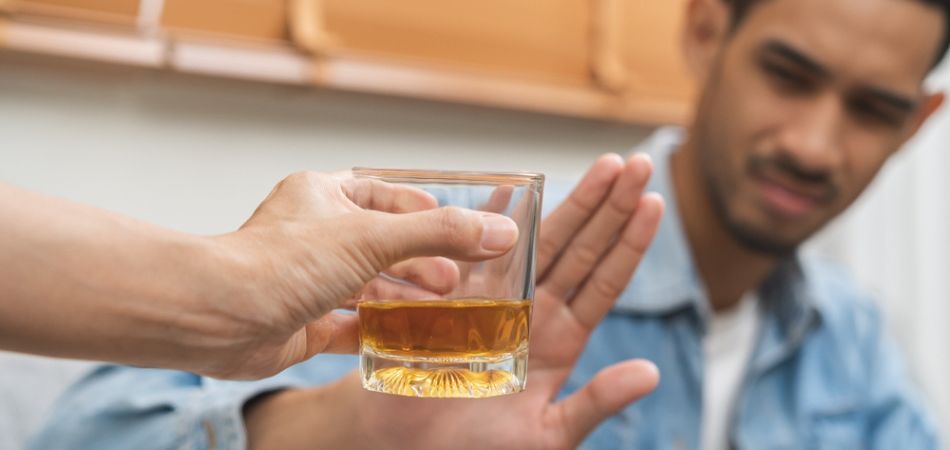
Some people need professional help
Before you do anything else, you need an honest look at how your body responds when you don’t drink.
If you drink most days and have been doing so for a while, your system may have become dependent. When that’s the case, stopping suddenly can cause alcohol withdrawal symptoms, which can range from very uncomfortable to downright dangerous. Mild withdrawal might mean sweating, shaking, anxiety, and poor sleep. Severe withdrawal can involve seizures, confusion, and a condition called delirium tremens, which is a potentially fatal medical emergency.
People sometimes assume they can just stop and power through a few rough days. But people die during alcohol withdrawal, and the vast majority of these come when they attempt it without professional help. Speak to your GP or a specialist rehab service like Providence Projects before you quit. This will help you get a better idea of what you need, and if necessary, you can undergo alcohol detox with medical support.
If your drinking is more occasional, or if you tend to binge at weekends, not every day, you’re probably not facing dangerous physical withdrawal. But that doesn’t mean stopping will be easy, because the habit often goes deeper than just your body.
What happens when you stop drinking?
In the timeline for quitting alcohol, the initial days are usually the hardest. If you’re physically dependent, withdrawal symptoms tend to peak around day two or three and then gradually ease up over a week or so. Even without alcohol dependence, those early days can often feel uncomfortable, and you may find it hard to sleep, and just be restless and moody without quite knowing why.
After the first week, improvements in your sleep, mood, energy, and even thinking should start to show. Alcohol can cause enormous harm to the liver, but if the damage is limited to fatty liver, this can be reversed completely within two weeks of stopping. Digestive symptoms like bloating and heartburn also get better within the first fortnight as your gut lining begins to heal. Even among heavy drinkers, mood tends to lift noticeably after the first month or two.
The emotional side takes more time because whatever you were using alcohol to manage doesn’t disappear just because the drinking stops. Stress, boredom, loneliness, and social anxiety tend to surface more clearly once alcohol isn’t softening them. That discomfort can actually be very useful because it shows you how you really feel.
Somewhere around the three-week mark, many people hit an unexpected dip. This is when the novelty of sobriety has worn off, and the early benefits have levelled out. This is normal, and it passes, but knowing it’s coming makes it easier to resist the temptation to drink again.
Getting through the early weeks
During the early days, it’s often the small moments that really test you. The best advice is to start by changing what you can control.
If there is alcohol in your house, get rid of it. If your evenings follow a routine that ends in drinking, break it by eating earlier, going for a walk, calling someone, or starting a different activity altogether. The aim is to put distance between the impulse and the opportunity rather than just relying solely on your willpower.
Social situations often need some thought in advance. If you’re going somewhere alcohol will be served, decide beforehand what you’ll drink instead, and how you’ll respond when people ask why you’re not drinking. You don’t owe anyone an explanation, and most people care far less than you imagine. “I’m not drinking at the moment” is usually enough, and if someone pushes past that, the problem lies with them rather than you.
Cravings can feel urgent, but they don’t last. The urge to drink can seem completely overwhelming in the moment, but research shows that most urges peak and fade within fifteen to thirty minutes if you don’t act on them. A walk around the garden, a phone call, a glass of something else, or simply waiting it out with the knowledge that it will pass can get you through.
Zero-alcohol beers and wines have improved enormously in recent years, and nearly a third of UK drinkers now use them as a way to cut back. In social situations, just having something in your hand can be a big help.

Filling the gap alcohol leaves
Quitting drinking creates an absence that can catch people off guard. If you don’t fill that space with something, the emptiness can become its own problem.
Exercise often helps more than almost anything else. It improves sleep, steadies mood, burns off restless energy, and gives shape to your day. It doesn’t have to be intense, and a daily walk is enough to start.
The improvements during rest time will continue to build as your body adjusts. To help with this adjustment, a consistent bedtime and less screen time in the evening can make a real difference.
Relationships often need attention, too. Drinking friendships may not survive sobriety, and that can hurt even when it’s the right thing. At the same time, connections that don’t revolve around alcohol tend to get stronger. Whether you tell people what you’re doing or keep it to yourself is a personal choice, and both approaches work.
Peer support helps many people, though not everyone. If you were addicted to alcohol, groups like Alcoholics Anonymous and SMART Recovery offer community and accountability that can carry you through harder stretches.
It’s also worth saying that a few people who stop eventually find that moderate drinking works for them. Others try moderation and end up back where they started. This is often a sign of alcohol addiction, and if you have tried to quit repeatedly and failed, you should get professional advice.
When you need more help
Many people manage to stop drinking with lifestyle changes and support from those around them. Others try that approach and find it doesn’t work. Neither outcome reflects on your character or your willpower.
If you’ve made serious attempts to quit and keep returning to the same place, professional help may be the missing piece. That might mean counselling, an outpatient programme with regular sessions, residential rehab, or some combination of the three.
Providence Projects is a residential treatment centre offering medically supervised detox and a full alcohol rehab therapy programme. We are here for anyone who knows they can’t keep going the way they have been, but can’t see a way forward. Contact us today to find out more about our treatment programmes, or just to have a chat about whether alcohol rehab or drug rehab is right for you. Our team there can help you understand what support is available and what might work for your situation.
Reach out to our expert support team 24 hours a day

Looking for rehab?
If you are looking for rehab to take your, or a loved ones, life back from addiction, look no further than Providence Projects. Reach out to us today to find out how we can help you or a loved one achieve long-term recovery.
(Click here to see works cited)
- Drinkaware. “Drinkaware Monitor 2024.” Drinkaware, 26 Sept. 2024, www.drinkaware.co.uk/research/drinkaware-monitors/drinkaware-monitor-2024.
- NHS inform. “Alcohol-Related Liver Disease.” NHS inform, www.nhsinform.scot/illnesses-and-conditions/stomach-liver-and-gastrointestinal-tract/alcohol-related-liver-disease.