Can You be Addicted to Something You Don't Enjoy Anymore?


Yes, you can. You don’t need to enjoy abusing drugs or drinking alcohol to be addicted to them. Addiction comes down to how much control you have and what it’s costing you. Neither of those depends on enjoyment. Many people actually begin rehab treatment because they’re scared that the pleasure has gone, but they’re continuing regardless. In many cases, carrying on when you don’t like it anymore is one of the clearest signs of addiction and the need for professional help.

Why wanting and liking are not the same thing
One of the key findings in addiction science is that the brain runs enjoyment and desire on separate circuits. Normally they feel like one experience, because the systems usually rise and fall together, but repeated substance use or addictive behaviour splits them apart. They make the circuits linked to wanting more sensitive, so cravings and triggers like stress or a particular friend or pub hit you harder and harder.
The liking does not have to grow to match, and it may even decrease. This means you can crave something intensely without enjoying it. It’s also why willpower alone is rarely enough to stop, because the wanting doesn’t fade just because you get no pleasure from drugs or alcohol anymore.
Why the fun fades first
Tolerance means your body gets better at handling the substance, so the same amount produces a weaker effect. The pleasant part is usually the first thing to fade, because your brain defends itself against constant overstimulation by turning its own responses down. You may take more to get the enjoyment back, but bigger amounts mostly add risk without adding much pleasure. The result is that you get less of the short-term high, but your health, money, relationships, and general well-being get worse and worse.
Drinking and using just to stop feeling bad
Once the pleasure has gone, something called negative reinforcement usually keeps the substance use going. Early on, people drink or use because the substance gives them something, like fun or confidence or relief. But many keep using because going without causes withdrawal symptoms like anxiety, irritability, low mood, and physical discomfort. Another drink or dose makes those disappear temporarily, so your brain pushes you to drink or use whenever withdrawal symptoms begin.
At that stage, you’re not chasing a high or getting drunk anymore, you’re drinking and using just to get back to ordinary. That’s a sign you’re physically dependent, which is a major part of full addiction.
Why habit doesn't need enjoyment
There is also a part of addiction that comes simply from habit. If you’ve been drinking or using drugs in the same place, at a particular time, with the same people around you for years and years, it starts to become automatic. It’s a bit like how you can drive a familiar route home from work and not remember the journey at all. Old feelings like boredom or stress, or an argument with someone you have a certain history with, can also set off the routine.
But habits, including substance use patterns, form through repetition, not because of enjoyment. Sometimes, a change of scene like a holiday or even a new relationship can interrupt the habit for a while. However, it often restarts when you get back home, or the novelty of something new wears off.
Wanting to stop and wanting to use at the same time
All of that can put you in a strange position. You’d happily never touch drink or drugs again, but also can’t picture life without them anymore. People in that trap often feel guilty and frustrated with themselves, and after enough failed attempts to cut down, become hopeless. Many keep how bad it’s become secret for a long time because they can’t explain it to anyone who hasn’t felt it.
But while hiding the truth from friends or family may seem like you’re protecting yourself or your loved ones, it puts a big barrier to getting help. In most cases, families know exactly what’s going on, and by trying to conceal it, you’re leaving yourself to struggle alone.
Other warning signs of addiction
Excessive drinking or using drugs without enjoying it is a big sign of addiction, but there are many others to look out for. These include drinking or using more than you intended, trying to stop and not managing it, substances coming before relationships, your job or education, and continuing to use despite health and personal issues. If you notice several of these alongside a loss of enjoyment, you should speak to an addiction treatment professional.
Finding your reason to stop
Some people put off asking for help because they think you need to have hit complete rock bottom. But drugs and alcohol becoming boring or expensive, or your life slowly becoming a bit grim, is enough. There is no right or wrong reason to quit drugs or drinking, especially when there are signs you’ve become addicted.
If you’re simply sick of it, that’s a perfectly good reason, and so is being tired, skint all the time, or fed up with not getting anything done. Providence Projects meets people all the time with completely different reasons, and as long as you have made the decision to change, stopping is absolutely possible.
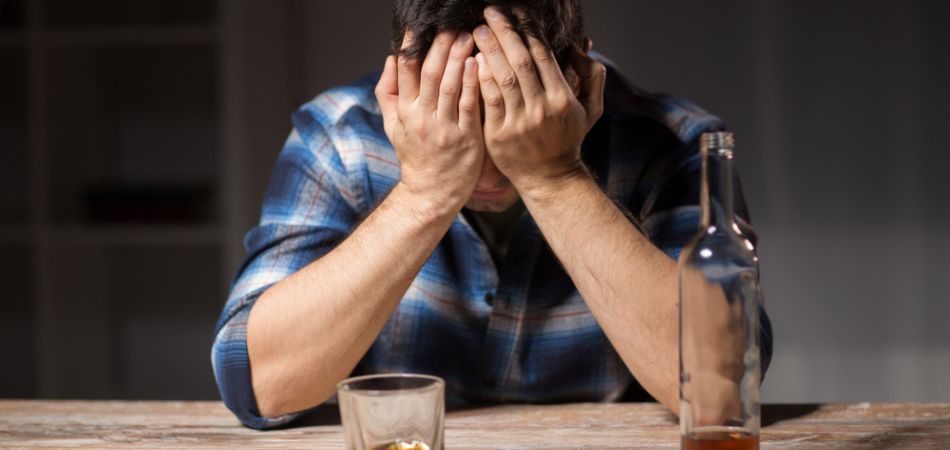
How treatment breaks the cycle
Throughout the entire treatment pathway, treatment at our rehab deals with each part of addiction separately but as part of one comprehensive programme. For physical dependence, we provide medical drug detox or alcohol detox to bring you off the substance at a safe speed, and with medication to ease the worst of withdrawal where that’s needed.
Rehab therapy works on the reasons underneath, including whatever the substance was helping you cope with. Therapy can also teach you to enjoy the everyday pleasures, because recovery goes better with something to enjoy and put your time and energy into. After years of drugs and alcohol coming first, hobbies, work, school, and even just spending time with your loved ones can take practice again. Relapse prevention planning teaches you about your own triggers and routines to stop autopilot drinking or drug use. Our aftercare and ongoing support through elements like our secondary care and alumni programmes keeps you around people who understand, because boring or difficult weeks after rehab are easier when you’re not alone to face them.
Talk to Providence Projects today
If you’re drinking or using drugs that you stopped enjoying a long time ago, contact us and tell us exactly that. We know exactly what that means, and we meet people in exactly your position all the time. Addiction runs on wanting, habit, and relief, and all three respond to proper treatment. Together we can look at what’s been going on in your life, how that’s led to this point, and what approach is right for you. You’ve already decided that drugs and alcohol aren’t doing anything for you anymore. Contact us today, and we will help you put them behind you for good.
Reach out to our expert support team 24 hours a day

Looking for rehab?
If you are looking for rehab to take your, or a loved ones, life back from addiction, look no further than Providence Projects. Reach out to us today to find out how we can help you or a loved one achieve long-term recovery.
(Click here to see works cited)
Berridge, Kent C., and Terry E. Robinson. “Liking, Wanting, and the Incentive-Sensitization Theory of Addiction.” American Psychologist, vol. 71, no. 8, 2016, pp. 670-79, doi.org/10.1037/amp0000059.
Koob, George F. “Negative Reinforcement in Drug Addiction: The Darkness Within.” Current Opinion in Neurobiology, vol. 23, no. 4, 2013, pp. 559-63, doi.org/10.1016/j.conb.2013.03.011.