Cocaine and Borrowed Confidence


The confidence-boosting effects of cocaine come on quickly and intensely. Cocaine is a powerful, fast-acting drug, and in minutes, you can feel sharper, funnier, more at ease, and more comfortable in yourself. It can reduce social anxiety and give you the drive and energy to overcome the most insurmountable work problem.
But while the confidence feels real, it’s a borrowed confidence. And when you start to rely on it, that confidence can mask real harm being done under the surface.
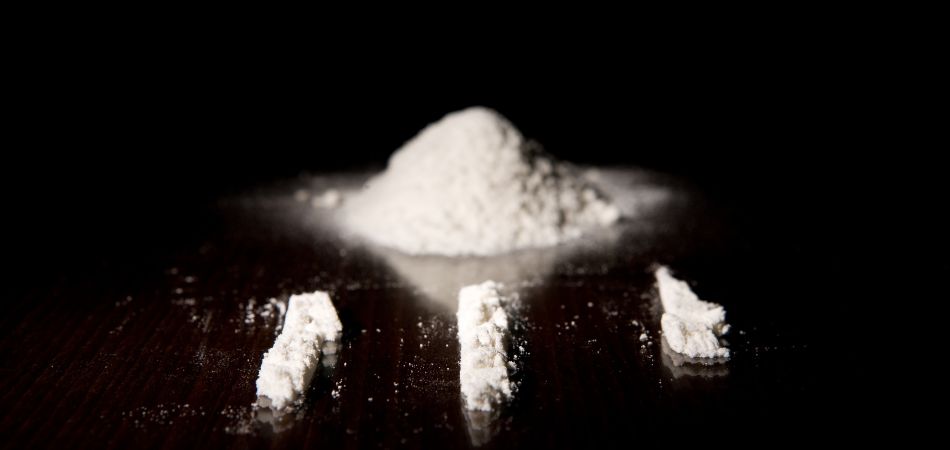
How cocaine brain effects create a false sense of confidence
Cocaine works by blocking your brain’s dopamine transporters, causing dopamine to accumulate in the synapses. This prevents it from being reabsorbed, resulting in a dopamine surge. Dopamine is the neurotransmitter most associated with reward and pleasure, so while that surge is happening, the brain is flooded with signals that it usually receives from real achievements or pleasurable experiences.
These effects are short-lived because cocaine doesn’t last long, but they can be very strong. The confidence cocaine produces loosens inhibitions, but it’s more than that. Cocaine can make you feel more articulate, decisive, capable, and even attractive. And it can seem as though cocaine has revealed something that was already there.
But the confidence produced by cocaine is a chemical effect that has no connection to actual ability, how capable you truly are, or even how you come across to other people. This latter point can be particularly eye-opening. When someone is on cocaine, they feel like the life and soul of the party or like everyone is really impressed with them. However, those around them may have a very different opinion.
When cocaine effects fade, they take the dopamine with them. Your default mood and confidence can then feel lower than before, because the brain was flooded with signals it didn’t earn and is now depleted.
Why people begin relying on cocaine for confidence
2023 UK research on 543 undergraduate students found that poor self-confidence and low self-esteem were linked to drug use, and that self-medication was one of the biggest reasons. But using substances in this way isn’t just limited to students, and cocaine is used by everyone from professionals to partygoers.
Cocaine is particularly appealing as a confidence tool because its effects are the same as the feelings people want most. If you find parties and social events tough, cocaine can make them easier and even fun. If you struggle with imposter syndrome at work, cocaine can help you nail an important presentation. Why wouldn’t you then use cocaine for the next party or presentation?
This is stimulant addiction beginning to form, even when it doesn’t feel that way. You may not necessarily be using cocaine every day yet, but just in specific contexts when the anxiety or self-doubt is too much. But the brain can quickly learn that cocaine gives you something positive, and that is where dependence starts.
What cocaine does to confidence as use continues
The problem with borrowed confidence is the debt it accumulates. Each time cocaine provides the feeling, your brain’s natural ability to generate it on its own drops a little. Your dopamine system recalibrates around cocaine, so without it, even ordinary social situations that used to be manageable start to feel difficult. The self-doubt that cocaine suppressed can then return even worse than before.
This is the emotional and psychological part of cocaine addiction. You may not feel physically dependent, but you need cocaine to be who you want to be. Eventually, you need cocaine just to feel normal or function in daily life. Work and social events can become all but impossible without the chemical confidence it gives you. At this point, weekly or specific occasion use can become a daily thing.
The consequences of this can be seen in every part of your life. Cocaine misuse disrupts sleep, which affects your mood and emotional reaction. The anxiety and paranoia that heavy cocaine use causes can make existing insecurities worse. Your relationships suffer because the real self that exists without cocaine gets hidden away. Financial pressures mount, responsibilities are forgotten, and eventually all your time and energy and effort are solely dedicated to getting and using cocaine.
In 2024, there were 1,279 cocaine-related deaths in England and Wales. That was 14.4% higher than the year before, and those figures have gone up every year for over a decade. Behind those numbers are many people who started using cocaine for confidence and lost control somewhere along the way.

Signs that cocaine and confidence have become entangled
The point at which cocaine use becomes cocaine dependence isn’t always obvious. Some signs are behavioural, like finding it difficult to attend social events without using it, or not being able to perform professionally without it. Other signs are more emotional, like feeling more anxious or low in the days after you use cocaine, or negative impacts on your self-esteem.
The irony of cocaine and confidence is that the drug that feels like it’s building you up is gradually doing the opposite. Real confidence comes from experience, doing things even though they’re difficult, showing other people your genuine abilities and qualities, and learning to trust yourself. When you’re using cocaine as a substitute, you never get the chance to do any of the things that real lasting confidence is built on.
Rebuilding confidence in cocaine recovery
In 2023 to 2024, 19% of all new entrants to addiction treatment services in England were there primarily for cocaine. Among them were people who had to relearn how to be confident without chemical support.
Cocaine rehab and recovery can help you understand that the confidence cocaine provided wasn’t ever really yours. But that doesn’t mean resigning yourself to a life of anxiety or low self-esteem. Building real confidence is slower work than a line of cocaine. But it is achievable through therapy, honest conversations with counsellors and rehab peers, and by facing things that were hard to begin with but which you overcame. Doing all of that without any chemical crutch can create a real sense of capability that you can take into other parts of your life.
Self-esteem and addiction are closely linked in both directions. Cocaine can boost self-esteem temporarily, but cocaine addiction can hurt it badly. Through rehab therapy, people who used cocaine to manage self-doubt can learn to do so without it. The anxiety that felt overwhelming without the drug becomes something they cope with and gradually move through.
Because it comes from inside you, the confidence that builds in recovery is steadier than cocaine confidence, more consistent and reliable. It doesn’t depend on a chemical and is built upon real foundations that mean it’s there for whatever situation you need it. It’s not borrowed confidence, but the result of the hard work you put into recovery and the positive picture you have of yourself after beating addiction.
Get help with cocaine addiction today
If cocaine is beginning to affect your confidence, ability to manage life’s challenges, or your sense of self, or your ability to manage without it, Providence Projects is here to help. We provide cocaine detox and rehab programmes, with comprehensive aftercare once residential treatment is complete. Get in touch to find out what cocaine treatment involves and what is possible in recovery.
Reach out to our expert support team 24 hours a day

Looking for rehab?
If you are looking for rehab to take your, or a loved ones, life back from addiction, look no further than Providence Projects. Reach out to us today to find out how we can help you or a loved one achieve long-term recovery.
(Click here to see works cited)
- “Adult Substance Misuse Treatment Statistics 2023 to 2024: Report.” Office for Health Improvement and Disparities, 28 Nov. 2024, www.gov.uk/government/statistics/substance-misuse-treatment-for-adults-statistics-2023-to-2024/adult-substance-misuse-treatment-statistics-2023-to-2024-report.
- “Deaths Related to Drug Poisoning in England and Wales: 2024 Registrations.” Office for National Statistics, 17 Oct. 2025, https://www.ons.gov.uk/peoplepopulationandcommunity/birthsdeathsandmarriages/deaths/bulletins/deathsrelatedtodrugpoisoninginenglandandwales/2024registrations.
- Foster, Holly, et al. “Prevalence and Psychiatric Correlates of Illicit Substance Use in UK Undergraduate Students.” Brain Sciences, vol. 13, no. 2, 19 Feb. 2023, article 360, doi:10.3390/brainsci13020360.